

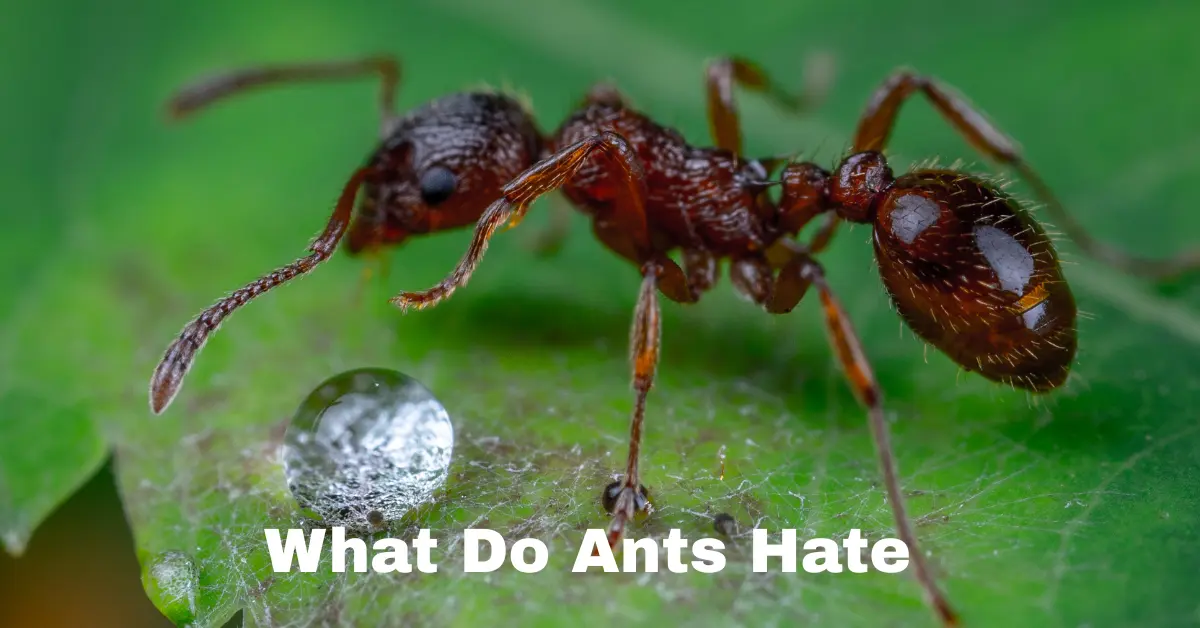
Ants are some of the most common pests around homes and gardens. While they play an important role in nature, like cleaning up waste and aerating soil, they can become a nuisance when they invade your living spaces. Understanding what ants dislike can help prevent infestations naturally and effectively.
Common Things Ants Hate
Ants are sensitive creatures, and their behaviors can often be influenced by strong smells, textures, and substances. Here are some things ants typically hate:
1. Strong Scents
Ants rely heavily on their sense of smell to navigate and communicate. Strong odors can disrupt their trails. Common examples include:
- Citrus: Lemon, orange, or lime peels and essential oils repel ants.
- Vinegar: White vinegar can erase scent trails.
- Mint: Peppermint oil or crushed mint leaves act as a natural deterrent.
- Cinnamon & Cloves: Spices like these create strong scents ants dislike.
Tip: Spray diluted essential oils or vinegar along entry points like door frames, windowsills, and baseboards.
2. Certain Foods and Ingredients
Some substances taste unpleasant or are toxic to ants. These include:
- Chalk: Ants avoid crossing chalk lines due to texture and powdery residue.
- Coffee Grounds: Spread used coffee grounds around garden edges or near ant trails.
- Cucumber: Bitter cucumber peels are disliked by some ant species.
Visual Cue: If you notice ants avoiding specific areas after placing these items, it confirms their repellent effect.
3. Natural Oils and Herbs
Several plants naturally repel ants due to their chemical compounds:
- Lavender
- Eucalyptus
- Rosemary
- Bay leaves
Practical Tip: Keep potted herbs near windows or kitchen counters to deter ants naturally.
4. Harsh or Chemical Deterrents
While natural remedies are safe, some chemical options can be effective for severe infestations:
- Borax or Boric Acid (used carefully and out of reach of pets/children)
- Ant Sprays (commercial options for immediate results)
Safety Note: Always follow product instructions and avoid overuse around pets and food areas.
Where Ants Can Be Found or Live
Ants are highly adaptable and can live in a wide variety of environments:
- Indoors: Kitchens, bathrooms, pantry areas, cracks in walls, behind appliances.
- Outdoors: Gardens, lawns, under rocks, logs, or mulch, along fences, and near water sources.
- Nests: Underground tunnels, inside wooden structures, or in potted plants.
Visual Cue: Look for tiny mounds of dirt or sand (indicating underground nests) or ant trails along walls and floors.
Practical Tips to Prevent Ant Infestations
- Keep areas clean: Wipe counters, sweep floors, and store food in sealed containers.
- Seal entry points: Caulk cracks, repair screens, and check doorframes.
- Use natural repellents: Essential oils, spices, or vinegar near entry points.
- Maintain outdoor barriers: Trim vegetation away from the house and remove decaying organic matter.
FAQ: What Do Ants Hate
Can vinegar really keep ants away?
Yes, vinegar disrupts ant scent trails. Spray a mixture of equal parts water and vinegar along entryways for best results.
Are there safe repellents for pets and kids?
Essential oils like peppermint, citrus peels, and cinnamon are generally safe in small amounts. Avoid chemical sprays in accessible areas.
How do I know if a natural deterrent is working?
Observe ant trails. If ants avoid treated areas over a few days, your deterrent is effective.