

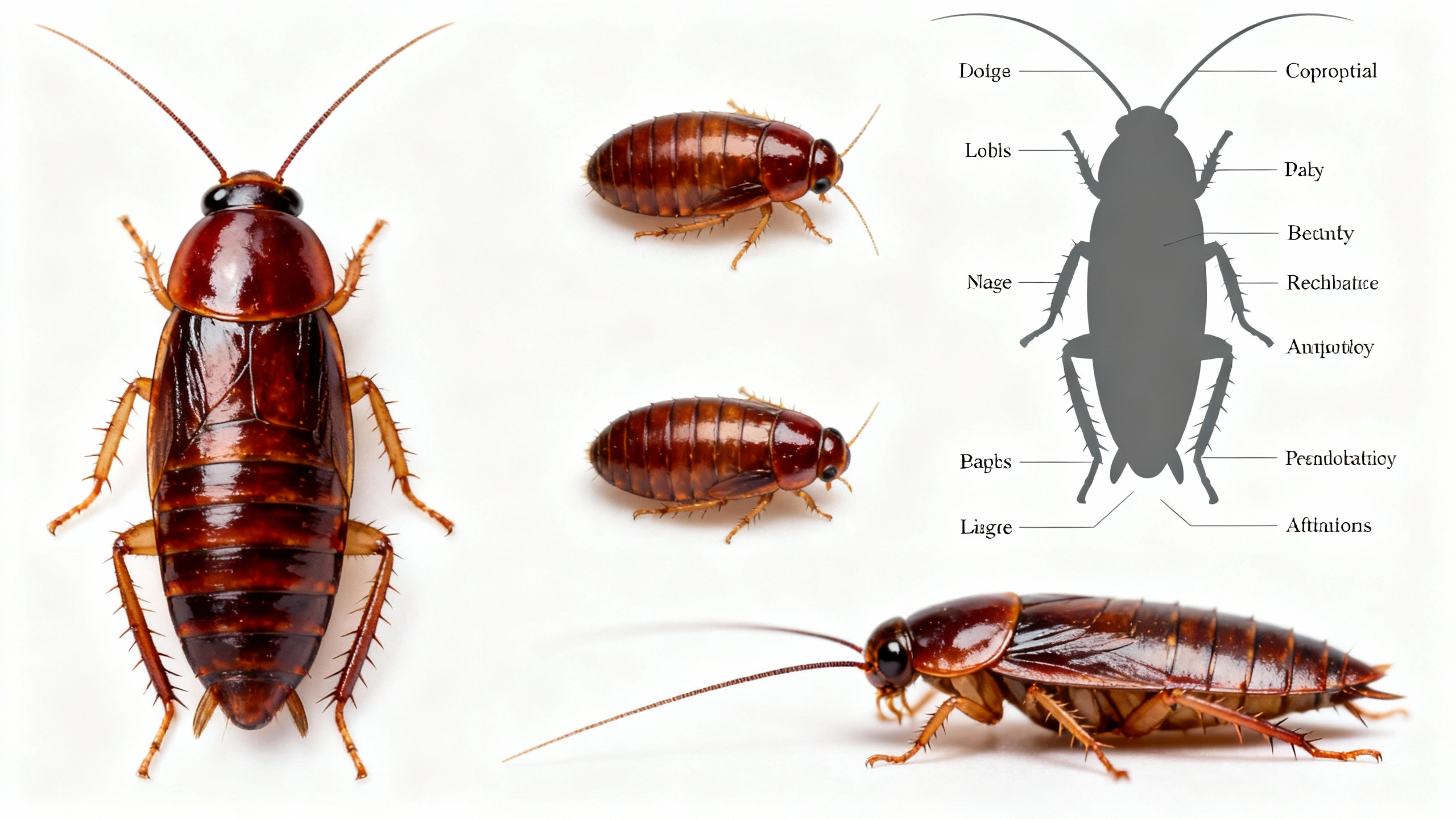
Cockroaches are among the most resilient insects in the world. While adult cockroaches are often what people notice, the tiny nymphs—or baby cockroaches—can be just as concerning when they appear in homes. Understanding what baby cockroaches look like, how they behave, and where they live is crucial for prevention and control. This guide offers a comprehensive, friendly, and professional overview.
Introduction
Baby cockroaches, also known as nymphs, are the juvenile stage of these common pests. Unlike adults, they are smaller, lack fully developed wings, and often have different coloration. Despite their size, they can multiply quickly, making early identification essential.
Appearance of Baby Cockroaches
Size
- Baby cockroaches are tiny, usually ranging from 1 to 10 millimeters depending on the species and age.
- Newly hatched nymphs are barely visible to the naked eye, often mistaken for specks of dirt.
Color
- Most nymphs are lighter in color than adults.
- Newly hatched cockroaches may appear white or cream-colored.
- As they grow, their color darkens to brown or reddish-brown.
Body Shape
- Small, oval, and slightly flattened body.
- Lack wings initially; wings develop only in later stages.
- They have visible antennae and legs, which allow for rapid movement.
Distinguishing Features
- Some species have dark stripes along their back.
- Nymphs molt multiple times, shedding their exoskeleton to grow.
- Eyes are smaller and less prominent than adults.
Behavior of Baby Cockroaches
- Nocturnal: Most nymphs are active at night, avoiding light.
- Fast movers: Even in small numbers, their quick movement can make them hard to catch.
- Hiding behavior: They prefer cracks, crevices, and dark spaces close to food and moisture.
Development and Growth
- Baby cockroaches go through several nymph stages, each larger and darker than the previous.
- The number of molts varies by species, usually between 5–13 times before reaching adulthood.
- Growth is influenced by temperature, humidity, and food availability.
Where Baby Cockroaches Can Be Found or Live
Cockroach nymphs thrive in environments that provide warmth, moisture, and food. Common locations include:
- Kitchens: Under sinks, behind appliances, or inside cabinets.
- Bathrooms: Around drains, bathtubs, or water heaters.
- Basements and storage areas: Dark, damp corners or cardboard boxes.
- Outdoors: Leaf litter, mulch, compost piles, and cracks in building foundations.
- Furniture: Behind drawers, sofas, or other undisturbed areas.
Signs of Baby Cockroach Infestations
- Tiny dark spots or droppings near walls or cabinets.
- Shed exoskeletons from molting.
- Sightings of small, fast-moving insects at night.
- Musty or oily odor in heavily infested areas.
Tips for Identification and Prevention
- Visual inspection: Look for small, wingless nymphs in dark corners.
- Sticky traps: Use glue traps to monitor for tiny cockroaches.
- Seal entry points: Caulk cracks and gaps around windows, doors, and pipes.
- Reduce moisture: Fix leaks and ensure proper ventilation.
- Maintain cleanliness: Keep food sealed and dispose of garbage regularly.
Common Questions About Baby Cockroaches
1. Are baby cockroaches dangerous?
While they do not bite, baby cockroaches can carry bacteria and allergens, contributing to asthma and food contamination.
2. How fast do baby cockroaches grow?
Nymphs can reach adulthood in 2–6 months, depending on species, temperature, and food availability.
3. Can I see baby cockroaches without a magnifying glass?
Yes, larger nymphs are visible to the naked eye, but newly hatched babies may appear as tiny white or cream specks.
Conclusion
Baby cockroaches may be small, but their presence signals a potential infestation. Recognizing their appearance, habits, and preferred habitats is the first step in effective prevention and control. With careful observation, cleanliness, and strategic pest management, you can reduce the risk of a growing cockroach problem.