

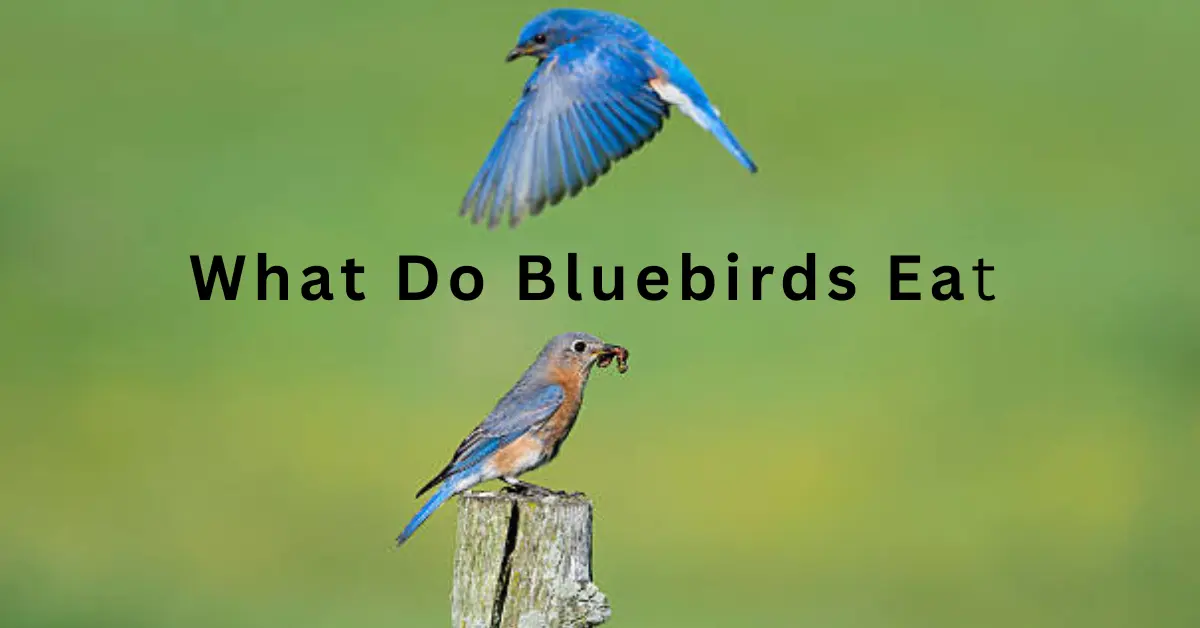
Bluebirds are among the most beloved songbirds in North America, admired for their brilliant blue feathers and gentle, cheerful songs. Often seen as a symbol of happiness and renewal, bluebirds are not just beautiful—they are also highly skilled hunters with a surprisingly diverse diet.
So, what do bluebirds eat?
The short answer: a mix of insects and plant-based foods. Bluebirds are omnivores, relying heavily on insects for most of the year while turning to fruits and berries when insects become scarce.
An Overview of the Bluebird Diet
On average, about 65–70% of a bluebird’s diet consists of insects, especially during spring and summer. The remaining portion comes from fruits, berries, and seeds, which become essential in fall and winter.
Bluebirds are efficient predators and play an important role in natural pest control.
Bluebird Diet by Season
| Season | Primary Food Sources | Examples |
| Spring | Insects & Arthropods | Caterpillars, beetles, ants, spiders, grasshoppers |
| Summer | Mostly Insects | Crickets, flies, mealworms, beetles |
| Fall | Insects + Fruits | Berries, wild grapes, elderberries, insects |
| Winter | Fruits & Berries | Mistletoe berries, dogwood berries, juniper berries, sumac seeds |
Common Insects Bluebirds Eat
During warmer months, bluebirds actively hunt a wide variety of arthropods, including:
- Grasshoppers
- Crickets
- Beetles
- Ants
- Spiders
- Flies
- Caterpillars
- Sowbugs
These protein-rich foods are vital for energy, breeding, and chick development.
Types of Bluebirds and Where They Live
There are three main species of bluebirds, each with slightly different ranges and seasonal food preferences:
1. Eastern Bluebird (Sialia sialis)
- Found across eastern North America, from southern Canada to Central America
- Males display bright blue feathers with a rusty-orange chest
- Females are more muted in color
2. Western Bluebird (Sialia mexicana)
- Native to the western United States and parts of Mexico
- Has six recognized subspecies
- Feeds heavily on berries during winter
3. Mountain Bluebird (Sialia currucoides)
- Found west of the Mississippi River
- Entirely sky-blue in males
- Known for hovering over grass to spot prey
What Do Bluebirds Eat in Winter?
In colder months, insects become scarce. Bluebirds that do not migrate rely primarily on fruit and berries to survive.
Winter Foods for Eastern Bluebirds
- Wild grapes
- Dogwood berries
- Blackberries
- Honeysuckle berries
- Cedar berries
Winter Foods for Western Bluebirds
- Mistletoe berries (a primary food source)
- Grapes
- Raspberries
- Elderberries
- Chokecherries
- Serviceberries
- Poison oak drupes
Winter Foods for Mountain Bluebirds
- Mistletoe berries
- Hackberries
- Juniper berries
- Elderberries
- Russian olive berries
- Currants
- Wild grapes
- Sumac seeds
Interestingly, bluebirds can safely eat berries that are toxic to humans.
What Do Baby Bluebirds Eat?
Baby bluebirds are fed exclusively by their parents, who work tirelessly to provide nutrient-rich food.
Foods Fed to Bluebird Chicks
- Caterpillars
- Beetles
- Grasshoppers
- Spiders
- Mealworms
- Occasionally soft berries
Parents may feed their chicks every 15–20 minutes during the early days. Animal protein is essential for growth, feather development, and strength. By about four weeks of age, young bluebirds are ready to forage on their own.
What Foods Attract Bluebirds the Most?
If you want to attract bluebirds to your yard, food choice matters.
Best Foods for Attracting Bluebirds
- Live mealworms (their absolute favorite)
- Freeze-dried mealworms
- Suet nuggets
- Soft fruits like berries and figs
- Shelled peanuts (unsalted)
Mealworms can be purchased from pet stores or bait shops, and some bird lovers even raise them at home.
How Do Bluebirds Hunt?
Bluebirds use a unique and efficient hunting technique known as “perch-and-pounce.”
They sit on a fence post, tree branch, or shrub, scanning the ground for movement. Once prey is spotted, they swoop down swiftly to capture it. Mountain bluebirds are especially skilled and may even hover in midair before striking.
Although they can catch insects mid-flight, ground hunting is their preferred method.
How to Attract Bluebirds to Your Yard
Creating a bluebird-friendly environment is simple and rewarding.
Tips to Invite Bluebirds
- Maintain open, grassy areas for hunting
- Provide perches such as trees, shrubs, or fence posts
- Keep grass trimmed so prey remains visible
- Offer fresh, clean water (moving water is ideal)
- Install a birdbath fountain or dripper
- Leave dead trees if safe—they make excellent nesting sites
- Plant native berry-producing shrubs
- Avoid pesticides—bluebirds naturally control pests
- Keep cats indoors to protect songbirds
Frequently Asked Questions
What is the best thing to feed bluebirds?
Live mealworms are the best food for bluebirds because they provide high protein. Bluebirds quickly recognize mealworms as a reliable food source. You can also offer berries, suet, and softened fruits for variety.
Do bluebirds eat peanut butter?
Bluebirds can eat peanut butter when it is offered safely. Mix peanut butter with cornmeal or oats to prevent sticking. Place it in small amounts on a feeder or tray.
Are bluebirds good to have around?
Bluebirds help control insects by eating pests like beetles and grasshoppers. They support a healthy garden ecosystem naturally. Their presence also adds beauty and pleasant birdsong.
What is the diet of a bluebird?
Bluebirds eat mainly insects during spring and summer. They switch to fruits and berries in fall and winter. This seasonal diet helps them survive year-round.
Bluebirds eat mainly insects during spring and summer. They switch to fruits and berries in fall and winter. This seasonal diet helps them survive year-round.
Final Thoughts
Bluebirds are not only stunning to watch but also beneficial to the ecosystem. By understanding what bluebirds eat and how they live, you can help protect these charming birds while enjoying their presence in your yard year-round.
A healthy habitat, the right food, and a little patience can turn your outdoor space into a bluebird haven.