

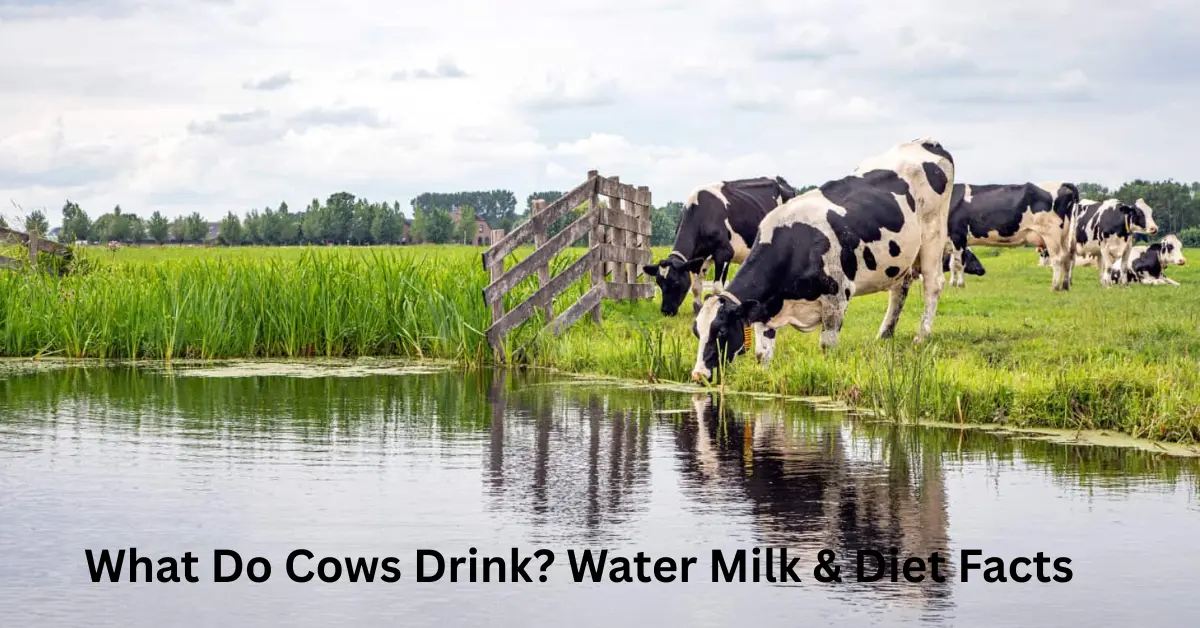
Cows are among the most important domesticated animals in the world. They provide milk, meat, and leather, playing a key role in agriculture and the global food supply. While many people focus on what cows eat, water consumption is equally vital. Proper hydration affects digestion, milk production, and overall health. In this article, we will explore what cows drink, how much water they need, how calves get their fluids, and the environmental impact of raising cattle.
What Do Adult Cows Drink?
Adult cows primarily drink fresh water. Water is essential for:
- Hydration: Maintaining normal bodily functions
- Digestion: Helping the rumen break down fibrous plant material
- Milk Production: Ensuring high-quality milk for calves and commercial use
While cows do get some moisture from their feed, such as grass, hay, and silage, this is usually not enough, especially in hot weather. Cows naturally seek out clean water from troughs, ponds, streams, or water tanks.
Water intake varies by several factors:
- Size and breed: Larger breeds drink more
- Temperature: Hot weather increases water needs
- Lactation: Milk-producing cows require extra water
On average, an adult cow drinks between 25 and 50 gallons of water per day, depending on weight, activity, and environmental conditions. During hot weather, cows may need two gallons per 100 pounds of body weight to stay properly hydrated.
What Do Baby Cows Drink?
Newborn calves, also called calves, have very specific hydration needs. They rely primarily on their mother’s milk for the first several months of life.
Colostrum: The First Critical Drink
The first milk produced by a mother cow is called colostrum. This milk is rich in nutrients and antibodies that protect the calf from illness and infection. Colostrum consumption in the first hours of life is crucial for:
- Boosting the immune system
- Supporting proper growth
- Preparing the digestive system for solid food
Calves generally nurse for up to 10 months, although some mothers may allow nursing for over 11 months. As the calves grow, they gradually start consuming solid feed and water, which helps develop their rumen (the first chamber of their stomach).
How Much Water Do Cows Need?
Water is vital for cows at every stage of life. Here’s a breakdown of their average water requirements:
| Cow Type | Average Daily Water Intake |
| Adult cow (non-lactating) | 25–30 gallons |
| Lactating cow | 30–50 gallons |
| Hot weather adult cow | 50+ gallons |
| Calves (with feed) | 1–2 gallons |
Cows generally drink 1 gallon per 100 pounds of body weight in mild weather. In hot conditions, they may consume 2 gallons per 100 pounds to stay hydrated and maintain body temperature.
What Do Cows Eat Along With Water?
Cows are herbivores, meaning they primarily eat plant-based foods. Their diet includes:
- Grasses: The main food source for grazing cows
- Legumes: Clover, alfalfa, and other nitrogen-rich plants
- Hay and silage: Stored grasses and fermented feeds
- Grains: Corn, wheat bran, barley, and oats (supplemental)
- Leaves and shrubs: For wild or free-ranging cows
Cows need both water and solid feed to maintain proper digestion. Their four-chambered stomach—rumen, reticulum, omasum, and abomasum—requires water to ferment and process fibrous plant materials efficiently.
Cow Behavior and Senses
Cows are intelligent and social animals. They use their senses to make decisions about food and water:
- Taste: Cows prefer sweeter foods like apples over bitter grasses
- Smell: Helps identify other cows and detect food quality
- Sight: Color vision aids in detecting ripening fruits and predators
- Touch: They enjoy being petted around the neck area
Cows also form strong social bonds within their herd. They can recognize faces, show empathy, and respond to stress or danger as a group.
Environmental Impact of Cow Water Consumption
Raising cows for meat and dairy has a significant environmental footprint. Water use is a major factor:
- Producing 1 pound of beef can require up to 1,847 gallons of water
- Most water is used for irrigating feed crops, not direct drinking
- Only about 1% of this water is actually consumed by the cows themselves
Additionally, cattle produce methane, a greenhouse gas that contributes to global warming. Responsible farming practices, like efficient irrigation and proper herd management, are essential to reduce environmental impact.
Tips for Keeping Cows Healthy and Hydrated
- Provide constant access to clean water: Ensure troughs are full and free from contaminants
- Monitor water intake: Especially for lactating cows or during hot weather
- Offer quality feed: Fresh pasture, hay, silage, and supplemental grains
- Ensure shade and shelter: Prevents heat stress and conserves water
- Observe cow behavior: Drinking patterns can indicate health issues
Fun Facts About Cow Hydration
- Cows have a highly efficient rumen that allows them to digest tough plant fibers
- They can drink dozens of gallons of water in one sitting
- Milk production is directly linked to water intake: more water equals more milk
- Wild cows and bison may drink less often, as they rely on moisture from plants.
Conclusion
Water is just as essential to cows as food. From newborn calves relying on colostrum and milk to adult cows drinking 25–50 gallons daily, proper hydration is crucial for digestion, growth, and milk production. Providing fresh, clean water year-round not only keeps cows healthy but also supports their productivity.
At the same time, it’s important to be aware of the environmental impact of water use in cattle farming. Responsible farming, efficient irrigation, and sustainable practices help ensure that both cows and the planet thrive.
By understanding what cows drink and how much they need, farmers, pet owners, and enthusiasts can ensure these remarkable animals live healthy, hydrated lives.
1. What does a cow drink?
Cows drink fresh, clean water every day. They also get some moisture from grasses and hay. Water keeps their body hydrated and digestion healthy.
2. What do cows eat and drink?
Cows eat grass, hay, silage, grains, and leaves. They drink water to stay hydrated. Both food and water help them digest and produce milk.
3. Do cows only drink water?
Cows mainly drink water to meet hydration needs. They also get liquids from plants they eat. Water, however, is their primary source of fluids.
4. Does a cow drink its own milk?
Adult cows do not drink their own milk. Only calves drink milk from their mother. Milk provides young calves with nutrients and immunity.