

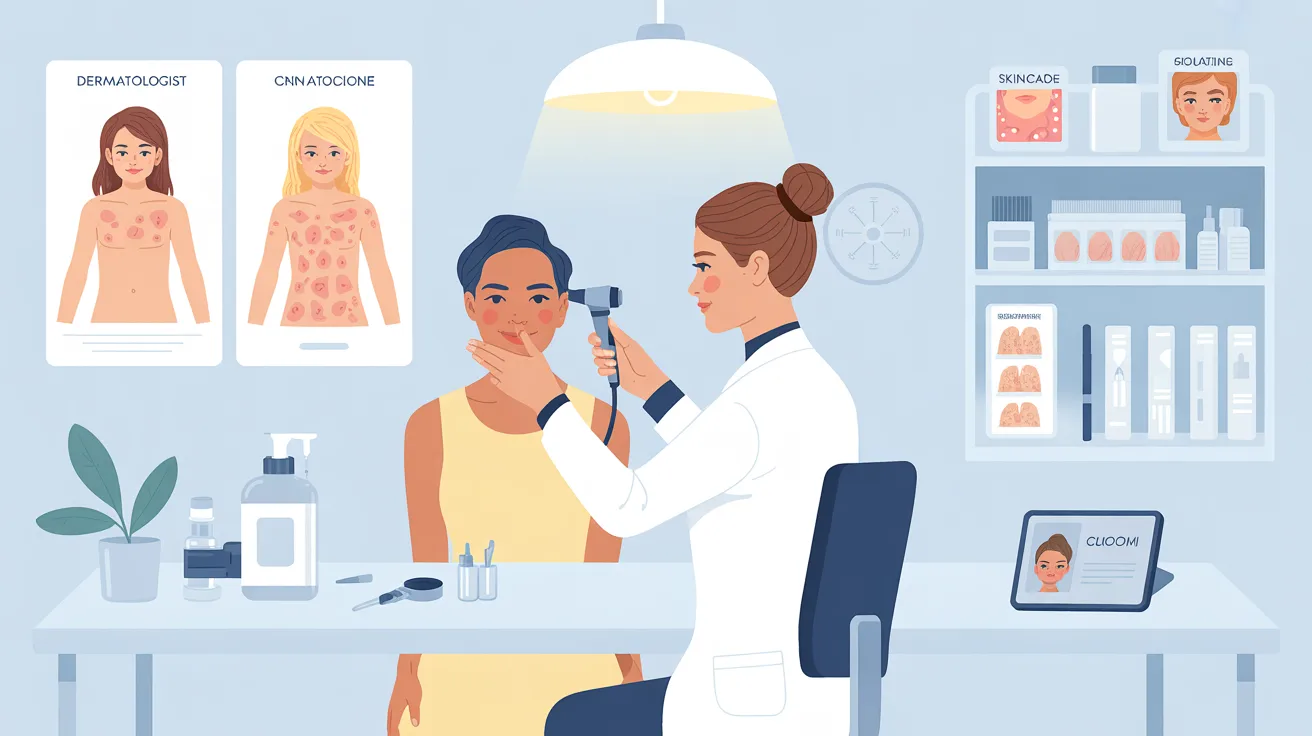
Dermatologists are medical specialists who focus on the health of your skin, hair, and nails. Skin is the largest organ in your body, and it can reveal a lot about your overall health. Understanding what dermatologists do can help you take better care of your skin and seek professional advice when needed.
This guide explores their roles, common procedures, conditions they treat, and tips for visiting a dermatologist.
Who Is a Dermatologist?
A dermatologist is a doctor trained to diagnose, treat, and prevent disorders of the skin, hair, and nails. They complete medical school, followed by a residency in dermatology, which equips them with expertise in both medical and surgical skin care.
Dermatologists can work in:
- Private clinics
- Hospitals
- Research centers
- Cosmetic and aesthetic medicine centers
Key Responsibilities of Dermatologists
Dermatologists have diverse responsibilities. Some of their main duties include:
- Diagnosing Skin Conditions: Identifying rashes, acne, eczema, psoriasis, infections, and skin cancers.
- Treatment Planning: Prescribing medications, topical creams, or therapies for various skin issues.
- Surgical Procedures: Performing minor surgeries like mole removal, skin biopsies, or excisions of skin cancer.
- Cosmetic Procedures: Offering treatments like Botox, chemical peels, laser therapy, and fillers.
- Patient Education: Advising patients on skincare routines, sun protection, and lifestyle changes to improve skin health.
Common Skin Conditions Treated by Dermatologists
Dermatologists deal with a wide range of skin problems, including:
1. Acne
- Symptoms: Pimples, blackheads, whiteheads, cysts.
- Treatment: Topical or oral medications, chemical peels, laser therapy.
2. Eczema (Atopic Dermatitis)
- Symptoms: Dry, itchy, inflamed patches of skin.
- Treatment: Moisturizers, steroid creams, antihistamines.
3. Psoriasis
- Symptoms: Red, scaly plaques, often on elbows, knees, scalp.
- Treatment: Topical treatments, phototherapy, systemic medications.
4. Skin Cancer
- Symptoms: New or changing moles, unusual spots, sores that don’t heal.
- Treatment: Surgical removal, cryotherapy, topical treatments, or advanced therapies.
5. Hair and Nail Disorders
- Examples: Hair loss (alopecia), fungal infections, brittle nails.
- Treatment: Medications, laser therapy, lifestyle changes.
Procedures Performed by Dermatologists
Dermatologists are trained to perform both medical and cosmetic procedures:
- Skin Biopsy: Removing a small sample for testing.
- Cryotherapy: Freezing warts, precancerous spots, or skin growths.
- Laser Treatments: For acne scars, wrinkles, or pigmentation.
- Chemical Peels: Improve skin texture and reduce blemishes.
- Microdermabrasion & Microneedling: Stimulate skin repair and collagen production.
When Should You See a Dermatologist?
Seeing a dermatologist is recommended when you notice:
- Persistent or severe acne
- Unusual moles or changes in existing moles
- Chronic rashes or itching
- Hair loss or nail problems
- Signs of skin infection or irritation
Tip: Early consultation can prevent minor skin issues from becoming severe.
Tips for Visiting a Dermatologist
- Prepare Your Medical History: Note previous skin conditions, medications, and allergies.
- List Your Symptoms: Include duration, triggers, and severity.
- Take Photos: If the condition changes over time, pictures can help the dermatologist track progress.
- Follow Instructions: Use prescribed treatments consistently and schedule follow-ups if advised.
Where Dermatologists Can Be Found
Dermatologists are not “found in nature” like animals, but they practice in various professional environments, including:
- Hospitals & Clinics: Treating patients with medical skin conditions.
- Private Dermatology Offices: Offering personalized care and cosmetic procedures.
- Research Institutions: Studying skin diseases, cancer, and new treatments.
- Aesthetic Centers or Spas: Providing cosmetic treatments like Botox or laser therapy.
They are accessible in cities, towns, and sometimes virtually through teledermatology consultations.
FAQ About Dermatologists
Q1: Can dermatologists treat skin cancer?
Yes! Dermatologists can detect, diagnose, and remove early skin cancers and refer patients for advanced treatment if needed.
Q2: Do dermatologists only treat cosmetic issues?
No, dermatologists treat both medical and cosmetic skin problems, ranging from rashes and infections to wrinkles and scars.
Q3: How often should I visit a dermatologist?
For healthy skin, an annual check-up is recommended. Those with chronic conditions or risk factors may need more frequent visits.