

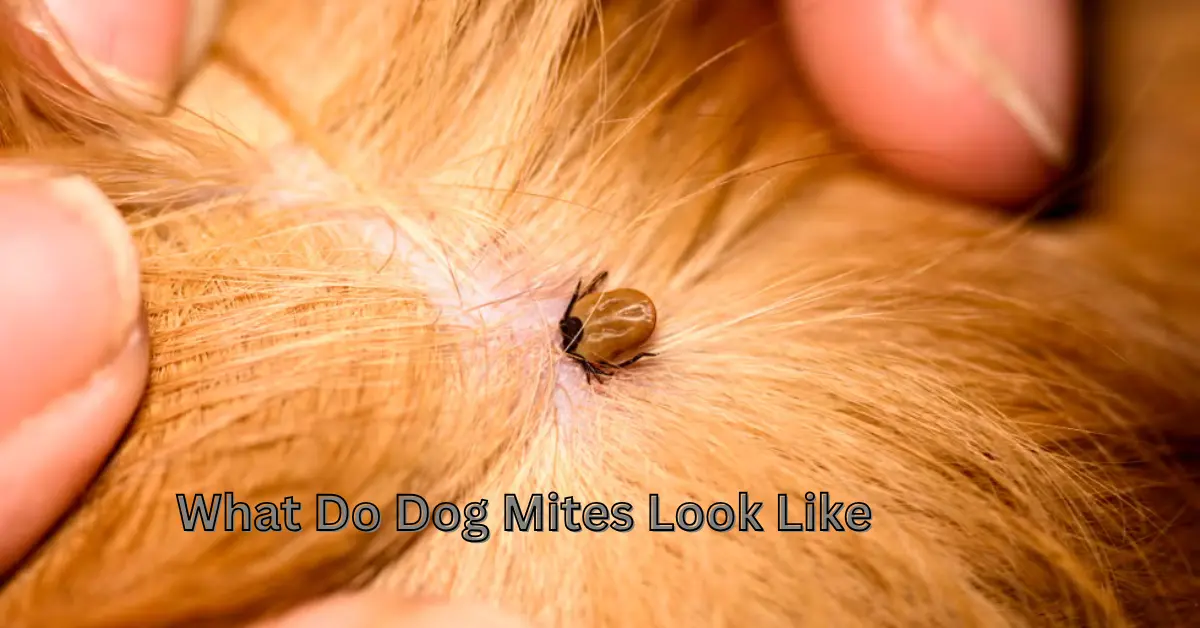
You’re cuddling your dog after a fun day outside when you notice something isn’t quite right. Maybe they’re scratching more than usual. Maybe you spot a bald patch or some redness on their skin. Naturally, you start to wonder: What do dog mites look like? And more importantly — could my dog have them?
Dog mites are tiny parasites that can cause big discomfort. While they’re usually invisible to the naked eye, the signs they leave behind are often easy to spot if you know what to look for. In this complete guide, we’ll explain what dog mites look like under a microscope, how they affect your dog’s skin, the different types of mites, symptoms to watch for, treatment options, and how to prevent future infestations.
Let’s break it all down in a simple, clear way so you can protect your furry companion with confidence.
What Are Dog Mites?
Dog mites are microscopic parasites belonging to the arachnid family — the same group as spiders and ticks. These tiny creatures live on or inside your dog’s skin, feeding on oils, skin cells, or ear debris.
Although mites are extremely small (measuring between 0.1 to 0.4 millimeters), they can cause significant irritation and skin problems. Some mites live harmlessly on dogs in small numbers, while others trigger intense itching and contagious skin diseases.
What Do Dog Mites Look Like?
Because mites are microscopic, you usually cannot see them without a microscope. However, understanding their shape and size can help you visualize what may be happening on your dog’s skin.
Under magnification:
- Sarcoptic mites are round, almost turtle-shaped, with short legs.
- Demodex mites are elongated and cigar-shaped.
- Ear mites are tiny oval-shaped parasites with long legs.
In severe infestations, mites may appear as tiny moving white, black, or orange dots — but this is rare.
While you may not see the mites themselves, you will see the damage they cause.
Types of Dog Mites and How They Differ
There are three main types of mites that commonly affect dogs. Each type behaves differently and causes distinct symptoms.
Below is a helpful comparison table:
| Type of Mite | What It Looks Like (Microscope) | Where It Lives | Main Symptoms | Contagious? |
| Sarcoptic Mites (Scabies) | Round body, short legs | Burrow under skin | Intense itching, redness, scabs, hair loss | Yes (to dogs and sometimes humans) |
| Demodex Mites (Demodicosis) | Long, cigar-shaped body | Hair follicles & oil glands | Patchy hair loss, mild itching, skin thickening | No (usually not contagious) |
| Ear Mites | Tiny oval body | Ear canals | Head shaking, dark debris, ear scratching | Yes (between animals) |
Let’s look at each type in more detail.
Sarcoptic Mites (Canine Scabies)
Sarcoptic mites are one of the most uncomfortable mite infestations a dog can experience. These mites burrow into the skin to lay eggs, which triggers intense itching and inflammation.
What It Looks Like on Your Dog:
- Red, irritated skin
- Thick crusts or scabs
- Hair loss around ears, elbows, chest, and belly
- Constant scratching
Dogs with sarcoptic mange often appear restless and uncomfortable. The itching can be so severe that it disrupts sleep.
These mites spread easily through direct contact and can temporarily affect humans, causing itchy red bumps.
Demodex Mites (Demodicosis)
Unlike sarcoptic mites, Demodex mites normally live on most healthy dogs in small numbers. Problems occur when the immune system weakens and allows the mites to multiply excessively.
What It Looks Like on Your Dog:
- Circular bald patches
- Red or scaly skin
- Mild itching (sometimes none)
- Thickened skin in severe cases
Demodex infestations are common in puppies and dogs with weakened immune systems. They are typically not contagious.
Ear Mites
Ear mites live inside the ear canal and feed on wax and oils. They are extremely irritating and highly contagious between animals.
What It Looks Like on Your Dog:
- Frequent head shaking
- Scratching at ears
- Dark brown or black crumbly discharge (looks like coffee grounds)
- Red, inflamed ear canals
If untreated, ear mites can lead to ear infections or damage from excessive scratching.
What Do Dog Mites Do to the Skin?
Mites damage your dog’s skin in different ways depending on the species.
- Burrowing mites cause inflammation by digging into the skin.
- Follicle mites disrupt hair growth and weaken hair roots.
- Ear mites irritate delicate ear tissues.
Over time, this damage can lead to:
- Secondary bacterial infections
- Open sores
- Thickened or darkened skin
- Chronic skin problems
The longer mites remain untreated, the worse the condition becomes.
Signs and Symptoms of Dog Mites
Even if you cannot see mites directly, your dog’s behavior and skin condition will give clues.
Common Symptoms:
- Excessive scratching or licking
- Hair loss or bald spots
- Red, inflamed skin
- Scabs or crusty patches
- Head shaking
- Dark debris in ears
- Restlessness or discomfort
Symptoms vary depending on the type of mite and your dog’s immune response.
If your dog suddenly develops intense itching or unexplained hair loss, mites should be considered as a possible cause.
How Do Dogs Get Mites?
Dogs can get mites in several ways:
1. Direct Contact
Playing with or living near an infected dog increases the risk.
2. Weak Immune System
Stress, illness, poor nutrition, or young age can allow normally harmless mites (like Demodex) to overgrow.
3. Crowded Environments
Shelters, kennels, or breeding facilities may increase exposure risk.
Puppies often get mites from their mother shortly after birth.
Are Dog Mites Contagious to Humans?
Most dog mites are species-specific, meaning they prefer dogs.
However:
- Sarcoptic mites can temporarily infect humans and cause itchy rashes.
- Ear mites and Demodex rarely affect humans.
If anyone in your household develops unexplained itching while your dog has symptoms, consult a healthcare provider and your veterinarian.
How Veterinarians Diagnose Dog Mites
Because mites are microscopic, a professional diagnosis is necessary.
Veterinarians may perform:
- Skin scrapings examined under a microscope
- Tape tests to collect surface debris
- Ear swabs for suspected ear mites
- Physical examination and symptom review
Sometimes mites are difficult to find, and treatment may begin based on symptoms alone.
Treatment Options for Dog Mites
The good news? Dog mites are treatable.
Treatment depends on the type and severity of infestation.
1. Topical Treatments
Medicated shampoos, dips, sprays, or spot-on products kill mites directly on the skin.
2. Oral Medications
Prescription tablets may be used for severe or generalized cases.
3. Ear Drops
Special medicated drops eliminate ear mites.
4. Treat Secondary Infections
Antibiotics or antifungals may be prescribed if skin infections develop.
Treatment duration can range from several weeks to months depending on severity.
Cleaning Your Home During Treatment
Treating your dog alone may not be enough.
To prevent reinfestation:
- Wash bedding in hot water
- Clean toys and blankets
- Vacuum carpets and furniture
- Disinfect grooming tools
Your vet may recommend environmental treatments in severe cases.
How to Prevent Dog Mites
Prevention focuses on strong immunity and regular monitoring.
Regular Grooming
Brushing helps detect early skin changes.
Balanced Nutrition
A healthy immune system controls mite populations naturally.
Routine Vet Visits
Early detection prevents severe infestations.
Avoid High-Risk Areas
Be cautious in overcrowded dog facilities.
Proper Ear Care
Regular cleaning reduces ear mite risk.
When to See a Veterinarian
Seek veterinary care if your dog shows:
- Sudden intense itching
- Rapid hair loss
- Thick crusty skin
- Persistent ear shaking
- Signs of infection
Early treatment leads to faster recovery and prevents complications.
Final Thoughts: Protecting Your Dog from Mites
So, what do dog mites look like?
While they are too small to see clearly, their effects are not. From relentless scratching and bald patches to crusty lesions and ear debris, mites leave visible signs that should never be ignored.
The key is awareness. By understanding the types of mites, recognizing symptoms early, and seeking proper treatment, you can protect your furry friend from discomfort and long-term skin damage.
Mites may be microscopic — but with the right knowledge, you can stay one step ahead.
Your dog depends on you to notice the small changes. And now, you know exactly what to look for.
How do you tell if your dog has mites?
You notice constant scratching, licking, or biting at the skin. Your dog develops redness, scabs, hair loss, or thickened skin patches. Your dog may shake its head often or show dark debris in the ears.
What kills mites instantly on dogs?
Veterinarians prescribe fast-acting topical or oral anti-parasitic medicines. Medicated dips and spot-on treatments kill mites on contact. Proper vet-approved treatment starts reducing mites within hours.
Can mites cause styes?
Mites can irritate skin around the eyes and cause inflammation. This irritation may contribute to blocked oil glands near the eyelids. In rare cases, mites can indirectly lead to stye-like swelling.
What do mites on dogs look like to the human eye?
You usually cannot see mites without a microscope. In heavy infestations, they may appear as tiny moving white or black dots. Most often, you only see skin damage, not the mites themselves.
Can a human get mites from a dog?
Most dog mites prefer dogs and do not live on humans. Sarcoptic mites can temporarily transfer and cause itching in humans. The condition usually resolves after the dog receives treatment.
What is the fastest way to get rid of mites?
You visit a veterinarian for accurate diagnosis and treatment. You use prescribed medications exactly as directed. You clean bedding, toys, and living areas to prevent reinfestation