

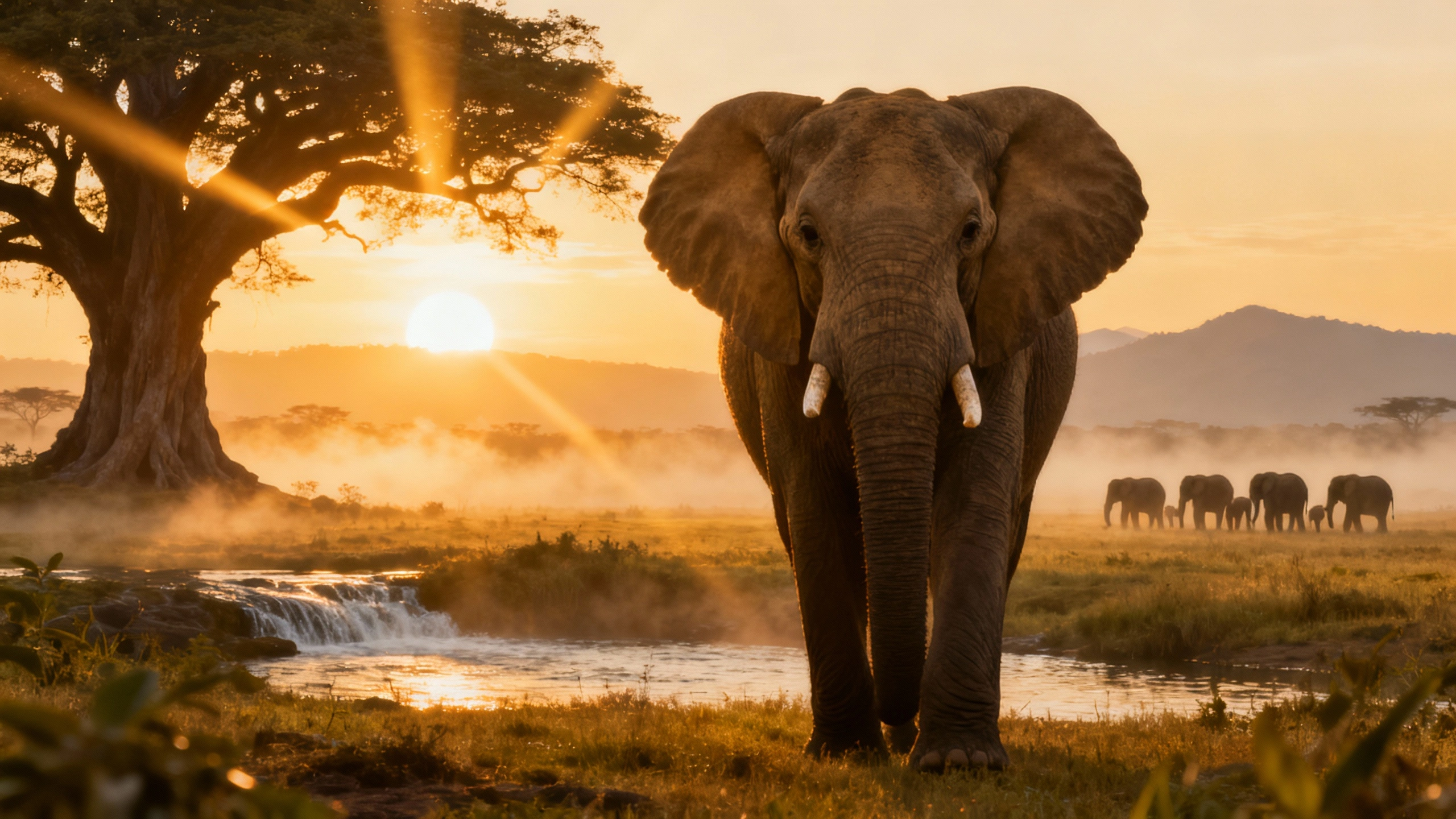
Elephants are among the most revered and iconic animals in the world. Known for their majestic presence, intelligence, and social nature, these gentle giants carry deep symbolism across cultures, religions, and even modern life. Understanding what elephants symbolize can give insights into personal growth, spiritual meaning, and cultural significance.
This guide explores the symbolic meanings of elephants, their cultural importance, where they can be found, and practical ways to connect with their energy.
The General Symbolism of Elephants
Elephants symbolize a range of qualities and concepts, often depending on cultural context:
- Wisdom and Knowledge: Elephants have incredible memory and intelligence, making them symbols of wisdom.
- Strength and Power: Their size and physical strength represent resilience, endurance, and protection.
- Loyalty and Family: Elephants live in tight-knit herds, symbolizing loyalty, community, and caring relationships.
- Good Luck and Prosperity: In many cultures, elephants are considered lucky charms that bring abundance.
- Patience and Stability: Their calm and deliberate movements symbolize steadiness and thoughtful action.
Visual Cues: Statues of elephants with trunks up are often considered lucky, while elephants depicted walking slowly may indicate patience and perseverance.
Elephants in Different Cultures
1. Indian and Hindu Symbolism
- Ganesha: The elephant-headed god represents wisdom, removing obstacles, and new beginnings.
- Elephants are associated with royalty, power, and spiritual strength.
- Practical Tip: Placing a Ganesha statue at the entrance of a home is believed to attract positive energy.
2. African Symbolism
- Elephants represent strength, leadership, and family bonds.
- Many African trib*s see elephants as protectors of the land and sacred creatures.
- Visual Cue: Elephant carvings often appear in tribal art, representing community and authority.
3. Buddhist Symbolism
- Elephants symbolize mental strength, calmness, and mindfulness.
- A white elephant is especially sacred and associated with spiritual purity.
4. Western Symbolism
- In Western cultures, elephants often symbolize memory, loyalty, and intelligence.
- Elephant figurines are popular in interior decor to attract good fortune.
Common Situations Where Elephants Appear as Symbols
- Home Decor: Statues, paintings, or artwork of elephants symbolize protection, luck, and family harmony.
- Jewelry: Elephant-shaped charms or pendants often represent wisdom, protection, and spiritual guidance.
- Dreams: Seeing elephants in dreams can symbolize strength, long-term planning, or overcoming obstacles.
- Corporate and Team Symbols: Elephants are sometimes used in logos or mascots to represent strength, reliability, and memory.
Practical Advice: Connecting With Elephant Energy
If you want to incorporate the symbolism of elephants into your life:
- Meditation: Visualize an elephant to cultivate patience, strength, and calmness.
- Decor and Art: Place elephant statues or images in your living space to attract stability and good fortune.
- Learning from Nature: Observing elephants in zoos or wildlife documentaries can inspire family loyalty, leadership, and problem-solving skills.
- Journaling: Reflect on qualities like wisdom and resilience that elephants symbolize, and set goals around them.
Where Elephants Can Be Found or Live
Elephants are native to both Africa and Asia, inhabiting diverse ecosystems:
- African Elephants: Savannas, grasslands, and forests of sub-Saharan Africa.
- Asian Elephants: Tropical forests, grasslands, and scrublands in India, Thailand, Sri Lanka, and Southeast Asia.
- Captive Environments: Zoos, sanctuaries, and conservation parks around the world.
- Visual Cues: African elephants are larger with bigger ears shaped like the continent of Africa, while Asian elephants have smaller, rounded ears.
Practical Tip: Visiting wildlife sanctuaries or responsible elephant camps can provide direct experiences with elephants while supporting conservation efforts.
Frequently Asked Questions (FAQ)
1. What does an elephant with its trunk up symbolize?
- A trunk-up elephant symbolizes good luck, prosperity, and positive energy. It’s believed to shower blessings on its surroundings.
2. Are elephants considered spiritual animals?
- Yes, in many cultures, elephants are spiritual symbols of wisdom, patience, strength, and protection.
3. Can elephant symbolism appear in dreams?
- Absolutely. Dreaming of elephants often represents strength, long-term planning, and overcoming obstacles in life.