

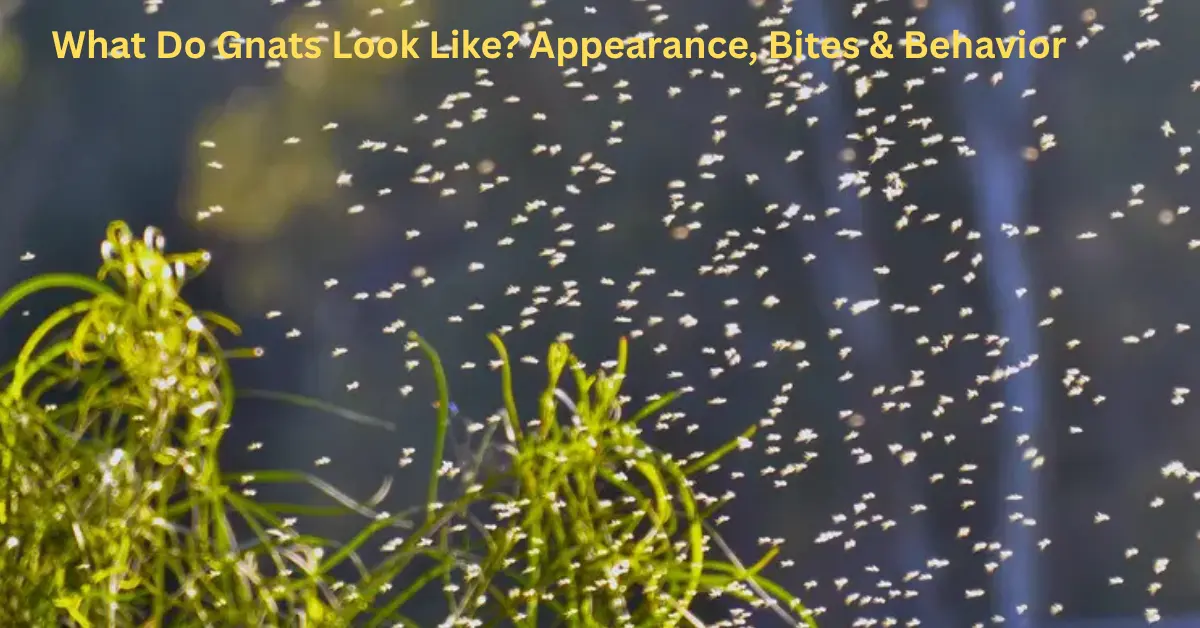
Gnats may be tiny, but they can cause surprisingly big problems. From swarming around your face and irritating your skin to damaging indoor plants and disturbing livestock, these small flying insects are a common nuisance worldwide. Because many species look alike, gnats are often confused with fruit flies or mosquitoes, which makes control even more frustrating.
This in-depth guide explains what gnats are, what they look like, how they live, why they appear, whether they are dangerous, and the most effective ways to get rid of them—both indoors and outdoors.
What Are Gnats?
Gnats are a broad group of small, winged insects belonging to the order Diptera, the same insect order as flies and mosquitoes. The word “gnat” is not a scientific classification; instead, it is a general term used to describe several species of tiny flies that share similar characteristics.
Common insects referred to as gnats include:
- Fungus gnats
- Biting gnats (biting midges or blackflies)
- Drain gnats
- Eye gnats
Although they look similar at a glance, different gnat species have very different behaviors, diets, and risks.
What Do Gnats Look Like?
Most gnats are difficult to identify without close inspection, but they share several physical traits.
General Appearance
- Size: Extremely small, usually 1/16 to 1/8 inch long
- Body: Slender, fragile-looking bodies, often black or dark gray
- Wings: Clear or translucent wings with visible veins; wings usually fold flat over the back when resting
- Legs: Long, thin legs relative to body size
- Antennae: Long or medium-length antennae, especially noticeable in fungus gnats
Up close, gnats appear delicate and mosquito-like, but most species are much weaker flyers.
What Do Gnats Eat?
A gnat’s diet depends on its species and life stage.
Adult Gnats
- Nectar and plant sap
- Algae and fungi
- Decaying organic matter
Larvae
- Fungi in soil
- Algae
- Decaying plant material
- Plant roots (when food is scarce)
Blood Feeding
In biting gnat species, females require a blood meal to produce eggs. Males do not bite and feed only on plant-based sugars.
Gnats vs. Fruit Flies: What’s the Difference?
Gnats and fruit flies are often mistaken for each other, especially indoors.
| Feature | Gnats | Fruit Flies |
| Color | Black or dark gray | Brown or tan |
| Body Shape | Slender | Round, stocky |
| Flight | Erratic, weak | Slow hovering |
| Eyes | Dark | Red |
| Food Source | Soil fungi, roots, moisture | Fermenting fruits, yeast |
Fruit flies gather around rotting produce, while gnats prefer moist soil and organic matter.
Gnat Life Cycle
Gnats undergo complete metamorphosis, meaning they pass through four distinct life stages.
1. Egg Stage
Female gnats lay eggs in moist environments, such as:
- Potting soil
- Standing or slow-moving water
- Decaying vegetation
A single female can lay hundreds of eggs, which hatch in 3–7 days.
2. Larval Stage
Larvae resemble tiny, translucent worms.
- No legs, wings, or visible eyes
- Live in soil or water
- Feed aggressively on fungi and organic material
This stage causes the most damage to plants, especially seedlings and weak roots.
3. Pupal Stage
Larvae form a protective cocoon.
- Lasts from a few days to several weeks
- No feeding occurs
- Transformation into adult insect happens internally
4. Adult Stage
Adult gnats emerge ready to reproduce.
- Lifespan: 7–10 days
- Entire life cycle: 3–4 weeks
- Adults focus mainly on mating and egg-laying
Common Types of Gnats
Fungus Gnats
Fungus gnats are the most common indoor gnats.
- Found near houseplants
- Eggs laid in moist soil
- Larvae feed on fungi and plant roots
Although adults do not bite, larvae can damage plants, causing:
- Yellowing leaves
- Wilting
- Stunted growth
Biting Gnats (Biting Midges)
These gnats bite humans and animals.
- Females require blood to lay eggs
- Thrive near rivers, lakes, and wetlands
- Most active at dawn and dusk
Unlike mosquitoes, biting gnats cut the skin with scissor-like mouthparts, which often leads to:
- Painful welts
- Intense itching
- Allergic reactions
Drain Gnats
- Breed in sink and floor drains
- Feed on organic buildup inside pipes
- Sign of poor drain hygiene
Are Gnats Dangerous?
To Humans
- Fungus gnats do not bite
- Biting gnats can cause:
- Itching
- Swelling
- Skin irritation
- Itching
Gnats may spread bacteria mechanically, such as eye infections, but they rarely transmit serious diseases to humans.
To Plants
Fungus gnat larvae can be highly destructive, especially to young plants.
They:
- Eat root hairs
- Reduce nutrient absorption
- Spread fungal plant diseases like pythium
This can lead to root rot and seedling death.
To Animals
- Biting gnats can transmit blue tongue virus to livestock
- Can cause stress and reduced productivity in cattle
Where Do Gnats Come From?
Gnats thrive in moist environments.
Common sources include:
- Overwatered houseplants
- Standing water
- Dirty drains
- Compost and organic waste
Indoor infestations often increase during fall and winter when plants are brought indoors and soil stays wet longer.
Signs You Have a Gnat Problem
Indoors
- Small flies hovering around plants
- Gnats emerging from soil when watered
- Larvae visible in potting mix
Outdoors
- Swarms near lights
- Increased biting at dusk
- Gnats around water sources.
How to Treat Gnat Bites
- Wash the area with soap and water
- Apply antiseptic
- Use anti-itch cream or calamine lotion
- Apply ice to reduce swelling
Seek medical help if severe allergic reactions occur.
How to Get Rid of Gnats Indoors
1. Control Soil Moisture
- Allow soil to dry between watering
- Repot plants with fresh, sterile soil
2. Sticky Traps
- Catch adult gnats
- Monitor infestation levels
3. Apple Cider Vinegar Traps
- Vinegar + water + dish soap
- Attracts and traps flying gnats
4. Biological Control
- Bacillus thuringiensis israelensis (BTI) kills larvae
- Safe for plants and humans
5. Clean Drains Regularly
- Remove organic buildup
- Use boiling water or enzyme cleaners.
How to Get Rid of Gnats Outdoors
- Remove standing water
- Use fine-mesh screens
- Run fans on patios
- Avoid outdoor activity at dawn and dusk
Best Gnat Repellents
- DEET: Long-lasting but may irritate skin
- Picaridin: Gentler alternative
- Oil of Lemon Eucalyptus: Plant-based, effective but shorter-lasting
Final Thoughts
Gnats may be small, but ignoring them can lead to plant damage, discomfort, and persistent infestations. Understanding their life cycle and habits is the key to effective control. By managing moisture, maintaining cleanliness, and using targeted treatments, you can eliminate gnats and prevent them from returning.
With the right approach, gnats don’t stand a chance.
What do gnats look like to the human eye?
Gnats look like tiny black or dark gray flying dots. People usually notice them hovering near faces or plants. They appear smaller and thinner than mosquitoes.
What do baby gnats look like?
Baby gnats look like tiny, clear or white worm-like larvae.They live in moist soil, water, or organic matter. They do not have wings or legs at this stage.
What do fruit flies look like?
Fruit flies have small tan or brown bodies. They have round shapes and noticeable red eyes.
They fly slowly around fruits and trash.
Do gnats bite?
Some gnats bite, but many species do not. Female biting gnats feed on blood for egg production. Fungus gnats never bite humans.
What do gnats look like up close?
Gnats have slender bodies and long thin legs. They have clear wings with visible veins.
Their antennae look long compared to their body.
What do gnats do?
Gnats feed on fungi, plants, nectar, or blood. They lay eggs in moist environments.
They swarm around light, water, and plants.
What do gnats do to humans?
Gnats annoy people by flying near the face. Biting gnats cause itchy and painful skin welts.
Some gnats spread minor infections mechanically.
What do gnats look like before they fly?
Gnats look like tiny worm-shaped larvae before flying. They stay hidden in soil or water.
They later change into pupae before becoming adults.