

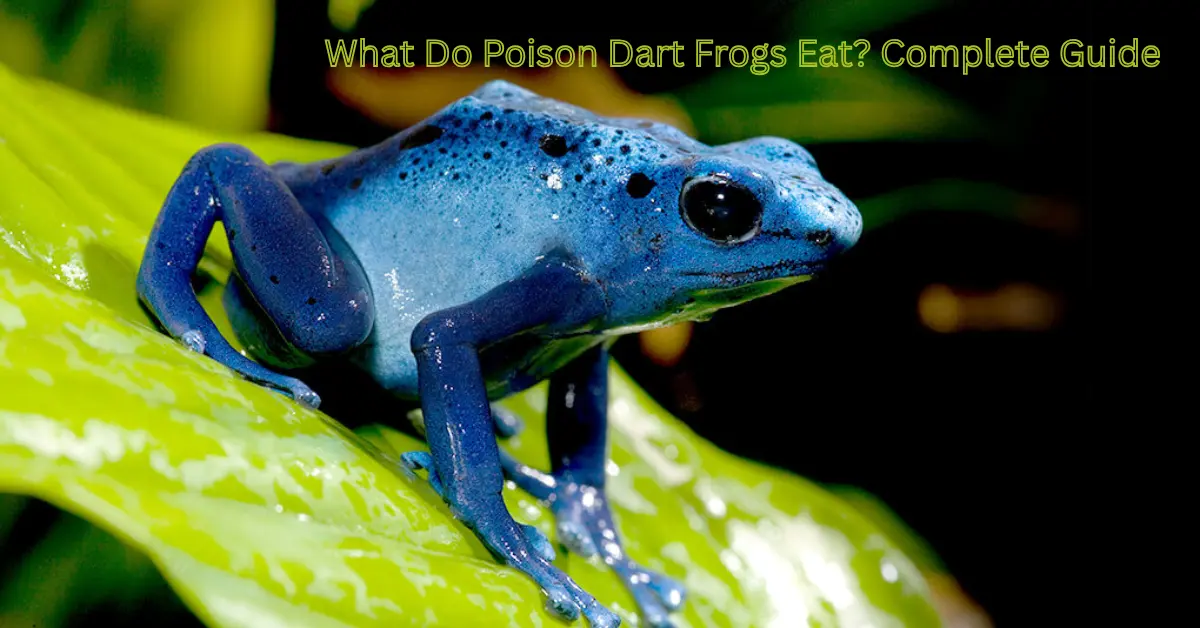
Poison dart frogs (family Dendrobatidae) are among the most colorful and fascinating amphibians in the world. Their vivid colors warn predators of their toxicity in the wild, while in captivity, they rely entirely on the foods we provide to thrive. Understanding what these frogs eat, how often to feed them, and the proper portion sizes is crucial for keeping them healthy.
Since 2004, Josh’s Frogs has received countless questions from hobbyists about feeding dart frogs. In this article, we address these questions in detail to provide a comprehensive guide on poison dart frog nutrition.
Poison Dart Frog Diet Overview
Most poison dart frogs are microphagus, meaning they eat very small prey. Exceptions exist, such as Phyllobates bicolor, Phyllobates terribilis, and Epipedobates trivittatus, which may consume slightly larger prey. However, the majority of dart frogs will not consume insects larger than 1/8 inch.
A balanced diet ensures proper growth, vibrant coloration, and overall health. Supplementing feeder insects with vitamins and minerals is essential, particularly calcium, to prevent deficiencies.
Common Feeder Insects for Dart Frogs
Below is a list of the most commonly used feeder insects for poison dart frogs, arranged from smallest to largest:
| Feeder Type | Size | Notes |
| Springtails | ~1/32 inch | Serve as vivarium janitors and a constant food source. Reproduce quickly in a well-maintained terrarium. |
| Drosophila melanogaster (Melanogaster Fruit Flies) | ~1/16 inch | Flightless flies that are ideal for small frogs and easy to culture. Staple food for many hobbyists. |
| Pinhead Crickets | ~1/16 inch | Nutritious and inexpensive. Should be gut-loaded with quality cricket food 48 hours before feeding. |
| Rice Flour Beetle Larvae | ~1/16–1/8 inch | Larvae are palatable and rich in nutrients; adults emit a chemical that deters predation. |
| Isopods | ~1/16 inch | Provide additional nutrition and act as vivarium cleaners. Easy to culture at home. |
| Drosophila hydei (Hydei Fruit Flies) | ~1/8 inch | Larger than melanogaster, ideal for adult frogs. Flightless varieties are preferred for ease of handling. |
| Black Soldier Fly Larvae | ~1/8 inch | Rich in calcium and lauric acid, making them a healthy staple or treat. Known as Phoenix Worms or CalciWorms. |
| Bean Beetles | ~1/8 inch | Nutritious weevils that provide protein, fiber, calcium, and vitamins. Cultures may produce hundreds of beetles over several weeks. |
How Often Should You Feed Poison Dart Frogs?
A common myth suggests that dart frogs need to be fed daily. While this is possible, it is not necessary. At Josh’s Frogs, we feed dart frogs three times a week — typically Monday, Wednesday, and Friday.
- Young frogs (froglets): Feed three times a week with smaller prey such as springtails or fruit flies.
- Adult frogs: Can be fed slightly larger prey like hydei fruit flies or small crickets.
- Treats: Items such as black soldier fly larvae or rice flour beetle larvae are fed once a month to provide variety.
How Much Should You Feed Poison Dart Frogs?
There is no exact number of insects that a dart frog needs each day. Instead, observe your terrarium and adjust accordingly:
- Place a small slice of banana (~1/4 inch) in the terrarium to attract fruit flies.
- Count the number of flies feeding on it before the next scheduled feeding.
- If many flies remain, reduce the amount during the next feeding. If few are present, feed slightly more.
This technique ensures frogs do not overeat and prevents waste in the terrarium.
Feeding Tips for Success
- Supplementation: Dust all feeder insects with a quality vitamin and mineral supplement, especially calcium.
- Variety: Rotate feeder insects to provide diverse nutrition and stimulate natural hunting behaviors.
- Vivarium Maintenance: Keep the habitat clean to prevent mold, bacteria, or fungus from developing on uneaten insects.
- Observation: Regularly monitor frogs for healthy activity, eating habits, and body condition.
Common Mistakes to Avoid
- Feeding oversized insects: Can lead to choking or digestive issues.
- Skipping supplementation: Can cause vitamin and calcium deficiencies.
- Overfeeding: May stress the frogs and create an unhealthy terrarium environment.
- Using wild-caught insects: Risk of pesticides or disease. Stick to cultured feeder insects.
The Benefits of a Proper Diet
Proper feeding directly impacts:
- Coloration: Vibrant colors are enhanced by high-protein, vitamin-rich diets.
- Growth: Adequate nutrition ensures strong development in froglets.
- Reproduction: Healthy adults are more likely to breed successfully.
- Longevity: Well-fed frogs can live 10–15 years in captivity.
Conclusion
Feeding poison dart frogs is simpler than many people believe. With the right feeder insects, proper supplementation, and careful observation, your frogs will thrive. Microphagus species require small insects such as springtails and melanogaster fruit flies, while larger adults enjoy hydei flies and crickets. Incorporating occasional treats like black soldier fly larvae ensures balanced nutrition and stimulates natural hunting behavior.
Always observe your frogs, maintain a clean vivarium, and adjust feeding based on activity and prey availability. By following these guidelines, you can enjoy healthy, vibrant, and active poison dart frogs for many years.
What can you feed poison dart frogs?
You can feed poison dart frogs small insects such as springtails, fruit flies, and tiny crickets. Treats like black soldier fly larvae and rice flour beetle larvae are safe occasionally. Always dust feeder insects with vitamins and calcium supplements.
Can I touch a poison dart frog?
You should avoid touching poison dart frogs with bare hands. Their skin secretes toxins that can be harmful if ingested or absorbed. Handle them only with gloves or tools when necessary.
What did the poison dart frog eat?
In the wild, poison dart frogs eat ants, mites, and small arthropods. These prey items provide the alkaloids that make their skin toxic. In captivity, they eat cultured insects like fruit flies and pinhead crickets.
What is the deadliest frog?
The deadliest frog is the golden poison dart frog (Phyllobates terribilis). It produces enough toxin to kill several humans with a single touch. Its bright colors warn predators of its extreme toxicity.