

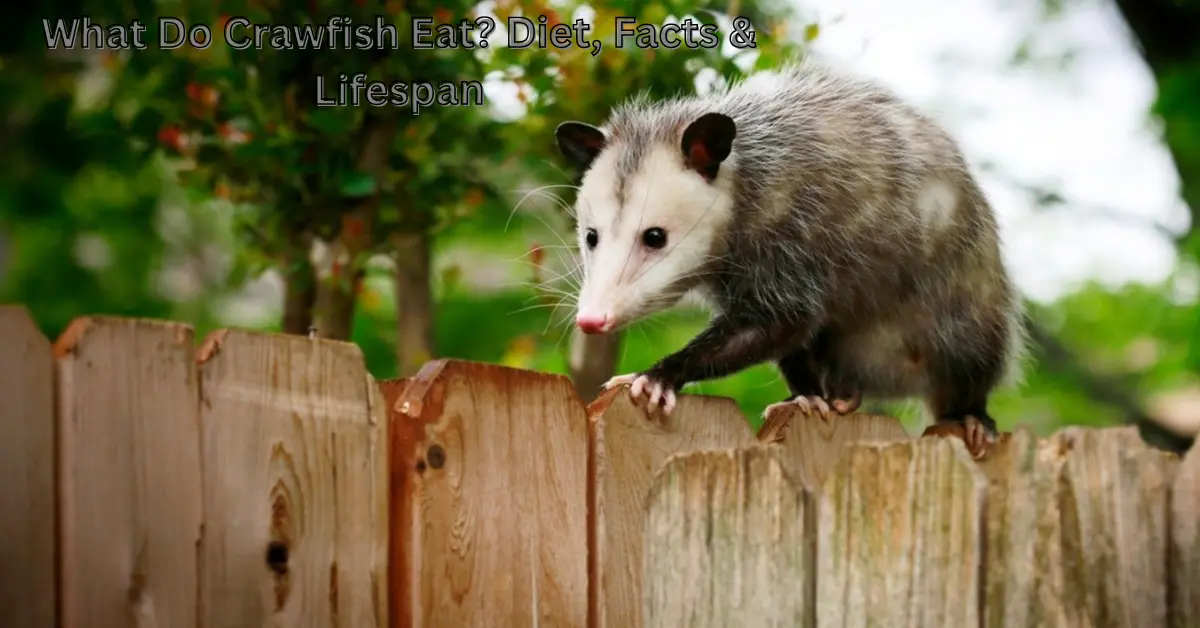
Possums are fascinating creatures often misunderstood by humans. In North America, you’ll encounter the Virginia opossum (Didelphis virginiana), a nocturnal marsupial known for its scavenging habits, quirky appearance, and helpful role in controlling pests. While the terms “possums” and “opossums” are often used interchangeably in casual conversation, the North American opossum is quite distinct from the true possums of Australia and New Guinea.
If you’ve ever seen a possum rummaging through your garbage or snacking on fruit in your yard, you might wonder: What do possums actually like to eat? Let’s explore their diverse diet, feeding habits, and ecological role.
Opossums vs. Possums: A Quick Clarification
It’s important to distinguish between opossums and true possums:
- Opossums (North America): Nocturnal, omnivorous marsupials that scavenge both plant and animal matter. The Virginia opossum is the most common species.
- True Possums (Australia & New Guinea): Mostly herbivorous, arboreal, and nocturnal marsupials that feed primarily on leaves and fruit.
When people in the U.S. refer to “possums,” they are almost always talking about opossums. These creatures are scavengers and opportunistic feeders, meaning they will eat almost anything edible that they come across.
Feeding Habits of Opossums
Opossums are primarily nocturnal, which means they hunt and forage at night when their vision and senses are best suited for activity. Their keen sense of smell allows them to locate food efficiently, whether it’s fruits, insects, or leftover human food.
- Solitary foragers: Adult opossums are usually solitary, though young stay in their mother’s pouch for about eight weeks.
- Omnivorous diet: They eat a mix of plant and animal matter, adjusting to whatever is available in their environment.
- Scavengers: Opossums help clean the ecosystem by consuming carrion, insects, and other small pests.
Even in captivity, opossums are fed a mix of vegetables, fruits, and protein, mirroring their natural omnivorous diet. Young possums rely on their mother’s milk, or a powdered milk formula if necessary.
What Possums Eat: A Detailed Look
Opossums are not picky eaters, which allows them to thrive in diverse environments—from forests to suburban neighborhoods. Here’s what they typically consume:
| Food Category | Examples | Notes |
| Fruits | Apples, berries, bananas, grapes | Should be limited in captivity to ~20% of diet |
| Vegetables | Leafy greens, squash, peas | Provide fiber and essential nutrients |
| Grains | Corn, oats, seeds | Opportunistic consumption, mainly scavenged |
| Protein | Insects, worms, frogs, small mammals | Juveniles often favor protein for growth |
| Eggs | Bird or reptile eggs | Opportunistic feeding behavior |
| Carrion | Dead animals, roadkill | Helps clean the environment |
| Pet Food | Cat or dog food | Often scavenged in urban areas |
| Crustaceans | Small freshwater shrimp, crawfish | Regional availability affects consumption |
This table illustrates the possum’s flexible and opportunistic diet, which allows it to survive in forests, wetlands, and even suburban backyards.
How Possums Hunt and Scavenge
Possums are versatile feeders and employ several strategies to acquire food:
- Foraging: They use their keen sense of smell to locate insects, fruits, or carrion.
- Climbing: Prehensile tails and sharp claws allow them to reach fruits and bird eggs in trees.
- Scavenging: Opossums readily investigate trash bins, pet food bowls, and other human leftovers.
- Pest Control: They feed on rats, mice, cockroaches, and ticks, helping reduce pest populations naturally.
Because they are opportunistic, possums adapt their diet to whatever is most available in their habitat.
Ecological Benefits of Opossums
Possums play an important role in ecosystems:
- Pest control: By consuming insects, rodents, and ticks, possums reduce the spread of disease. Studies show a single opossum can eat thousands of ticks per week, lowering Lyme disease risk.
- Scavenging: They clean up dead animals and decaying matter, which helps prevent the spread of pathogens.
- Seed dispersal: By eating fruits and excreting seeds, possums contribute to plant propagation.
Even though they may sometimes be considered a nuisance in urban areas, possums are beneficial “ecosystem helpers” in both rural and suburban settings.
Opossums’ Unique Defense Mechanisms
Possums are non-aggressive and rely on clever behaviors to stay safe:
- Playing dead: Also called “playing possum,” they collapse and remain motionless when threatened. This can last anywhere from minutes to hours.
- Hissing and showing teeth: As a first line of defense, they make themselves appear intimidating.
- Odor secretion: If a predator persists, they excrete a foul-smelling fluid to reinforce the illusion of death.
These behaviors, combined with their nocturnal feeding, make possums elusive and mostly harmless to humans.
Captive Possum Diet
For those caring for possums in captivity:
- Vegetables: Leafy greens, squash, peas, and other fresh vegetables
- Fruits: Apples, berries, bananas, grapes (max 20% of diet)
- Protein: Small amounts of cooked meat, insects, or high-quality protein once or twice weekly
- Milk: Young possums rely on mother’s milk or a powdered substitute
A balanced omnivorous diet ensures health, growth, and longevity in captive settings.
Fun Facts About Possums
- They are immune to many diseases: Their low body temperature prevents them from catching rabies.
- Excellent climbers: Prehensile tails help them navigate trees with ease.
- Grooming habits: They constantly clean themselves with paws and tongue to stay parasite-free.
- Tick hunters: Opossums kill thousands of ticks weekly, reducing Lyme disease spread.
- Survivors: They can endure harsh conditions and predators thanks to intelligence and adaptability.
These facts show that possums are more than scavengers—they are intelligent and ecologically important animals.
Summary
Possums are omnivorous scavengers that eat a wide variety of foods, including:
- Fruits and vegetables
- Grains and seeds
- Insects, worms, frogs, and small mammals
- Eggs and carrion
- Pet food and human leftovers
They play a crucial role in controlling pests, dispersing seeds, and cleaning ecosystems. Despite their somewhat fearsome appearance, possums are docile, nocturnal, and intelligent creatures that benefit both urban and rural environments.
Understanding what possums like to eat helps humans coexist with them and appreciate their ecological contributions. Next time you spot a possum in your yard, you’ll know exactly what it’s likely munching on—and why it’s more helpful than you think.
What is a possum’s favorite food?
Possums enjoy fruits like apples, berries, and grapes the most.They also like vegetables, insects, and small animals.Their diet varies depending on what is available in their habitat.
Do possums eat cockroaches?
Yes, possums eat cockroaches when they find them. They are opportunistic feeders and consume many insects. Cockroaches provide protein and nutrients for possums.
What animal kills possums?
Predators such as foxes, owls, and bobcats hunt possums. Domestic dogs and cats may also attack them. Possums rely on climbing and playing dead to escape danger.
What does a possum feed on?
Possums feed on fruits, vegetables, grains, and insects. They also eat small mammals, eggs, and carrion.They scavenge opportunistically, even from human garbage.