

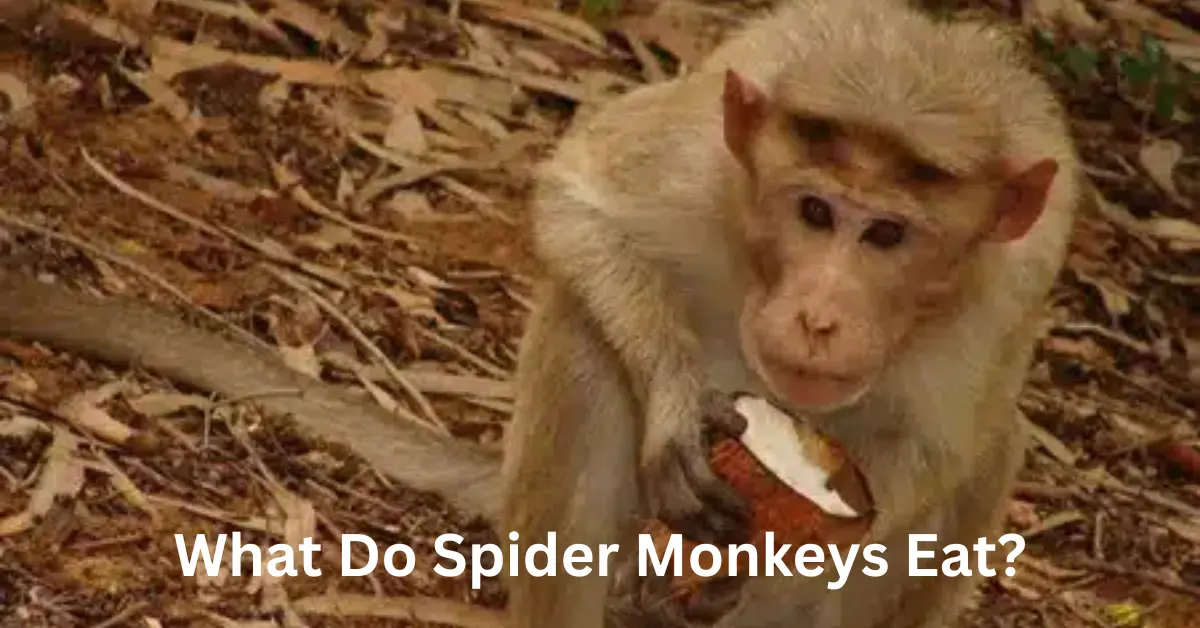
Spider monkeys are some of the most agile, intelligent, and fascinating primates in the New World. With their long limbs, expressive faces, and powerful prehensile tails, they seem almost designed for life high in the rainforest canopy. But one question that often sparks curiosity among animal lovers, students, and wildlife researchers alike is:
what do spider monkeys eat to survive in the wild?
In this in‑depth guide, we’ll explore the natural diet of spider monkeys, how they find food, what they eat in captivity versus the wild, and why their feeding habits are so important to rainforest ecosystems. Along the way, you’ll also discover fun facts and conservation insights that go beyond the basics and offer a clearer picture than most competitor articles.
Where Do Spider Monkeys Live?
Spider monkeys are native to Central America, southern Mexico, and large parts of South America, especially the Amazon rainforest. They are classified as New World monkeys, meaning they evolved in the Americas rather than Africa or Asia. Unlike Old World monkeys, they have flatter noses and rely heavily on their tails for movement.
These monkeys spend most of their lives in the middle and upper layers of tropical forests, rarely coming down to the ground. They prefer areas close to rivers and streams, where food is abundant year‑round. Their habitat plays a major role in shaping what they eat.
Are Spider Monkeys Herbivores, Carnivores, or Omnivores?
Spider monkeys are omnivores, but their diet is overwhelmingly plant‑based. In fact, they are also considered frugivores, meaning fruit makes up the largest portion of their daily meals. While they do eat some animal matter, plants dominate their nutrition.
On average, more than 70% of a spider monkey’s diet consists of fruit, with the rest made up of leaves, seeds, flowers, and small animals like insects. This fruit‑heavy diet provides them with the energy they need for their highly active, tree‑swinging lifestyle.
What Do Spider Monkeys Eat in the Wild?
In the wild, spider monkeys eat whatever nutritious food their forest environment provides. They are selective feeders and often choose ripe, fleshy fruits over everything else. When fruit is scarce, they adapt by eating more leaves and other plant parts.
Main Foods Spider Monkeys Eat
Below is a clear breakdown of the most common foods in a spider monkey’s diet.
A Complete List of Foods Spider Monkeys Eat
| Food Type | Examples | Importance in Diet |
| Fruits | Figs, berries, wild bananas, guava | Primary energy source |
| Nuts | Palm nuts, hard‑shelled seeds | Healthy fats and protein |
| Seeds | Fruit seeds, tree seeds | Fiber and minerals |
| Leaves | Young, tender leaves | Backup food when fruit is scarce |
| Flowers | Blossoms, nectar | Seasonal nutrition |
| Shoots | New plant growth | Easy to digest |
| Palms | Palm fruit and fibers | Common in rainforest habitats |
| Insects | Ants, termites, beetles | Protein source |
| Spiders | Tree‑dwelling spiders | Opportunistic protein |
| Eggs | Bird eggs (rare) | High‑protein supplement |
This table highlights how diverse their diet really is and why spider monkeys need large, healthy forests to survive.
Why Do Spider Monkeys Prefer Fruit?
Fruit is rich in natural sugars, water, and nutrients, making it the perfect fuel for spider monkeys. Their digestive systems are specially adapted to process soft, ripe fruits efficiently. Figs, in particular, are a favorite because fig trees often fruit year‑round, providing a reliable food source.
By eating fruit and spreading seeds through their droppings, spider monkeys play a critical role in seed dispersal. Many rainforest trees depend on them to reproduce, which is why spider monkeys are considered a keystone species in their ecosystem.
Do Spider Monkeys Eat Spiders and Insects?
Yes, spider monkeys do eat spiders and insects, but these foods make up a relatively small portion of their diet. They don’t actively hunt animals the way carnivores do. Instead, they eat insects and spiders opportunistically while foraging for fruit and leaves.
Insects provide protein and essential nutrients, especially during seasons when fruit is less available. However, plant matter always remains their primary food source.
How Do Spider Monkeys Find Their Food?
Spider monkeys are incredibly intelligent and have excellent memories. They start foraging early in the morning and may travel long distances through the treetops in search of ripe fruit.
They usually live in large troops of up to 100 individuals, but when it’s time to eat, they split into smaller groups of about five. This strategy reduces competition for food and helps them cover more ground.
Their prehensile tail is a major advantage. It acts like a fifth limb, allowing them to hang from branches while using both hands to grab food. Their long, hook‑like fingers help them reach fruit, insects, and leaves that other animals can’t access easily.
What Do Spider Monkeys Eat in Captivity?
In zoos and wildlife sanctuaries, spider monkeys are fed diets designed to mimic their natural eating habits. This usually includes:
- Fresh fruits like apples, melons, and grapes
- Vegetables such as leafy greens
- Nuts and seeds
- Special primate pellets for balanced nutrition
Do Spider Monkeys Eat Bananas?
Yes, spider monkeys eat bananas mostly in captivity. Bananas are not a natural part of their wild diet because modern bananas do not grow naturally in rainforests. Wild spider monkeys may only encounter bananas if they live near farms or human settlements.
Do Spider Monkeys Get Drunk from Fruit?
Surprisingly, yes. Spider monkeys can become mildly intoxicated when they eat overripe or fermented fruit. As fruit ferments, it produces small amounts of alcohol. However, the alcohol content is very low, and monkeys instinctively stop eating once they’re full, so it rarely causes harm.
This behavior is natural and has been observed in many fruit‑eating animals, not just spider monkeys.
What Animals Eat Spider Monkeys?
Despite their agility, spider monkeys do have natural predators. These include:
- Jaguars
- Pumas
- Large snakes
- Eagles and other large birds of prey
Spider monkeys are safest in the trees. On the ground, they are extremely vulnerable. When threatened, they may shake branches, scream loudly, or scatter in different directions to confuse predators.
How Many Types of Spider Monkeys Are There?
There are seven known species of spider monkeys alive today:
- Red‑faced spider monkey
- White‑fronted spider monkey
- Peruvian spider monkey
- Brown spider monkey
- White‑cheeked spider monkey
- Brown‑headed spider monkey
- Geoffroy’s spider monkey
Most of these species are endangered or vulnerable, mainly due to habitat destruction and hunting.
Why Diet Matters for Spider Monkey Conservation
Spider monkeys rely on a wide variety of plants to meet their nutritional needs. Deforestation, palm oil farming, and urban development reduce food diversity, making it harder for them to survive.
Because their diet is so specialized, spider monkeys are often among the first species to decline when forests are damaged. Protecting their habitat doesn’t just save spider monkeys—it helps preserve entire rainforest ecosystems.
Final Thoughts: What Do Spider Monkeys Eat?
Spider monkeys eat a diverse, fruit‑focused diet that includes fruits, leaves, nuts, seeds, insects, and even spiders. Their feeding habits support rainforest health, making them far more important than they may appear at first glance.
Understanding what spider monkeys eat helps us appreciate why conserving their habitats is so crucial. These intelligent primates are not just amazing to watch—they are essential to the survival of the forests they call home.
If forests thrive, spider monkeys thrive—and so does the incredible biodiversity of the rainforest.
What is a spider monkey’s favorite food?
Spider monkeys love ripe, fleshy fruits the most. They especially prefer figs because fig trees produce fruit year-round. Fruit gives them quick energy for their active, tree-swinging lifestyle.
Are spider monkeys friendly to humans?
Spider monkeys are curious but not naturally friendly to humans. They avoid people in the wild and may act aggressive if threatened. In captivity, they can become social but still remain unpredictable.
Do spider monkeys eat meat?
Spider monkeys eat small amounts of animal matter. They consume insects, spiders, and occasionally bird eggs. They do not hunt large animals or rely on meat for survival.
Do spider monkeys only eat fruit?
Spider monkeys do not eat only fruit. They also eat leaves, seeds, nuts, flowers, and insects.
Fruit remains their main food, but they adapt when it is scarce.