

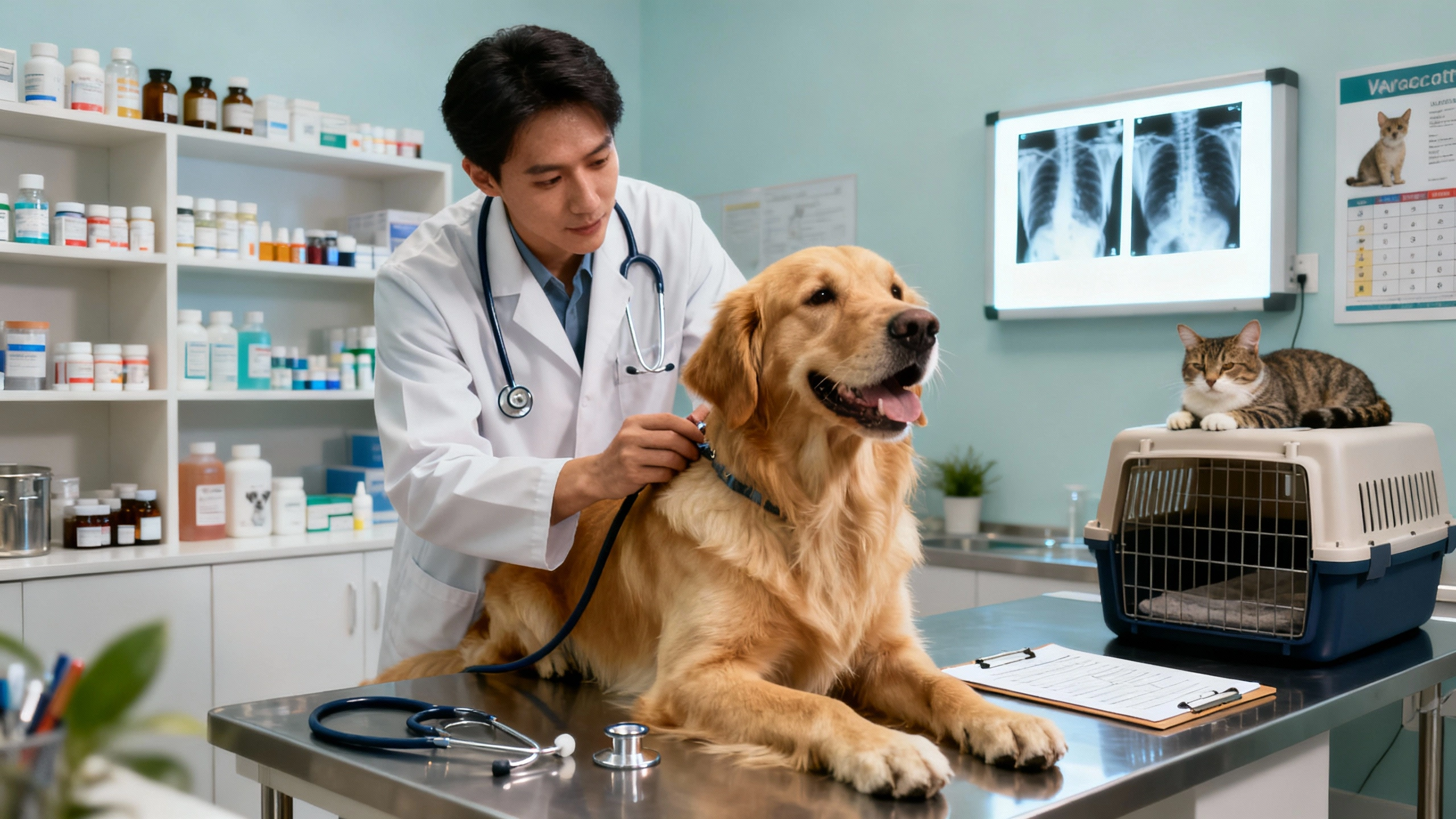
Veterinarians, often called vets, play a crucial role in maintaining the health of animals and ensuring public safety. Their work goes beyond simply treating sick pets—they prevent disease, promote animal welfare, and sometimes even contribute to research and food safety. This guide explores what veterinarians do, the skills required, and how their work impacts both animals and humans.
1. Introduction
Veterinarians are trained medical professionals who specialize in the health of animals. Their work combines science, compassion, and problem-solving. From routine checkups to emergency care, veterinarians are vital for the well-being of pets, farm animals, and wildlife.
2. Roles and Responsibilities of Veterinarians
Veterinarians perform a wide range of duties, including:
- Diagnosing Illnesses: Using medical tests, observation, and history to identify health problems.
- Treating Injuries and Diseases: Prescribing medications, performing surgeries, and providing supportive care.
- Preventive Care: Vaccinations, parasite control, and wellness checkups to prevent diseases.
- Educating Owners: Advising on nutrition, exercise, and general care.
- Public Health: Controlling zoonotic diseases (those that can pass from animals to humans).
3. Types of Veterinarians
Vets often specialize in certain fields:
- Small Animal Vets: Treat dogs, cats, and other pets.
- Large Animal Vets: Care for farm animals like cows, horses, and pigs.
- Exot*c Animal Vets: Focus on reptiles, birds, and exot*c pets.
- Wildlife Veterinarians: Work with wild animals in sanctuaries or research.
- Research Veterinarians: Study diseases, develop treatments, or assist in lab research.
4. Common Procedures and Treatments
Veterinarians use various methods to keep animals healthy:
- Physical exams (checking heart rate, respiration, and body condition)
- Vaccinations (rabies, distemper, parvovirus)
- Surgical procedures (spaying, neutering, tumor removal)
- Dental care (cleaning teeth, treating infections)
- Emergency care (injuries, poisoning, infections)
- Diagnostic tests (blood work, X-rays, ultrasound)
5. Signs Vets Look for in Animals
Vets use visual cues and behavior to detect problems:
- Lethargy or unusual tiredness
- Loss of appetite or weight changes
- Coughing, sneezing, or labored breathing
- Vomiting, diarrhea, or constipation
- Lumps, wounds, or swelling
- Changes in behavior, such as aggression or withdrawal
6. Tools and Equipment Used by Veterinarians
Some common veterinary tools include:
- Stethoscope: To listen to heart and lungs
- Otoscope: To examine ears
- Thermometers: To check temperature
- X-ray and Ultrasound Machines: For internal imaging
- Surgical Instruments: For operations
- Microscopes: For lab tests
7. Where Veterinarians Work
Vets work in a variety of environments:
- Animal Clinics and Hospitals: Most small animal vets work here.
- Farms and Ranches: Large animal vets provide on-site care.
- Zoos and Wildlife Parks: Exot*c and wildlife vets assist animals in captivity.
- Laboratories and Research Centers: Research veterinarians contribute to medical advances.
- Field or Conservation Sites: Some vets travel to protect wildlife populations.
8. How to Become a Veterinarian
Becoming a vet requires dedication:
- Education: Bachelor’s degree in biology, animal science, or related field.
- Veterinary School: 4-year Doctor of Veterinary Medicine (DVM) program.
- Licensing: Pass national and sometimes state exams.
- Specialization: Optional residencies or certifications for specific animal care.
9. Tips for Pet Owners
- Schedule regular checkups.
- Keep vaccination records up to date.
- Observe your pet’s behavior daily.
- Provide proper nutrition and exercise.
- Avoid home remedies without consulting a vet.
10. Where Veterinarians Can Be Found or Live
While veterinarians themselves are humans, their work locations reflect where animals are:
- Urban and suburban animal hospitals and clinics
- Rural farms and ranches
- Wildlife reserves and national parks
- Zoos and aquariums
- Veterinary schools and research labs
11. FAQ
Q1: Do veterinarians only treat sick animals?
No. Vets also provide preventive care, vaccinations, wellness exams, and nutritional guidance.
Q2: Can veterinarians perform surgery?
Yes, vets are trained to perform a wide range of surgical procedures, from routine spaying/neutering to complex operations.
Q3: How often should I take my pet to the vet?
Most pets should have an annual checkup, but young, elder*y, or sick animals may require more frequent visits.