

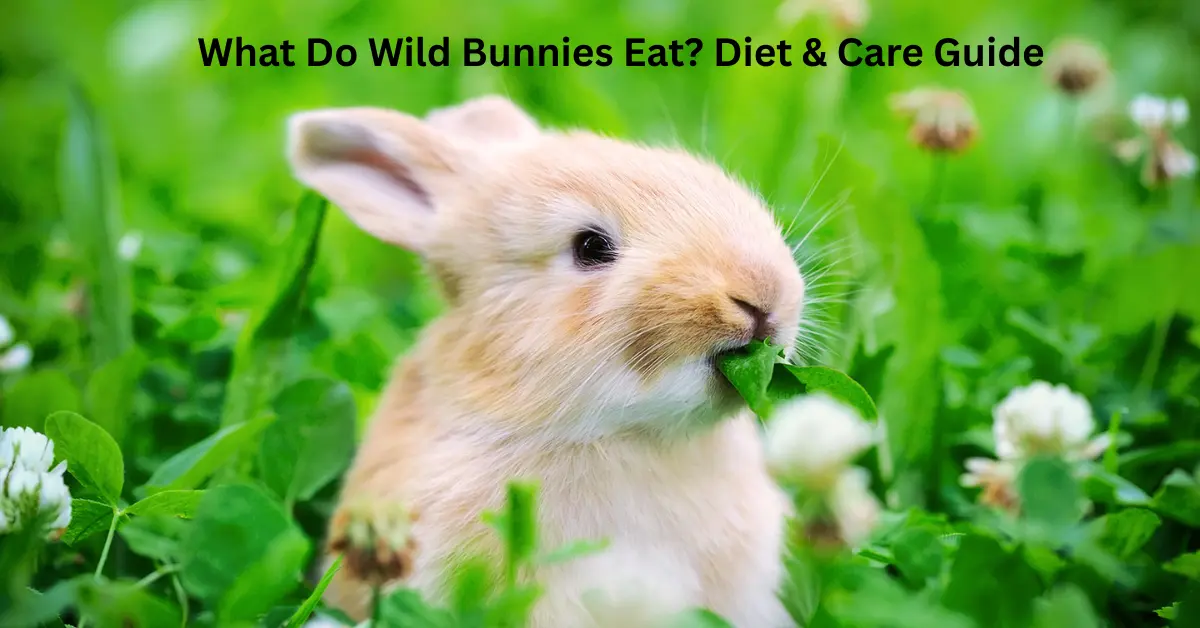
There’s something magical about spotting a wild bunny quietly nibbling in a meadow or hopping across your backyard at dusk. With their twitching noses and soft fur, wild rabbits seem gentle and harmless — but have you ever wondered what fuels their endless energy?
If you’ve asked yourself, “What do wild bunnies eat?”, you’re not alone. Their diet is more fascinating — and more complex — than most people realize. In this complete guide, we’ll explore what wild rabbits eat in different seasons, how their habitat affects their food choices, what they should not eat, and how you can support (or humanely deter) them in your garden.
Let’s dig in.
First Things First: Bunny vs. Rabbit
Before we hop into the details, let’s clear up a common confusion.
A bunny is simply a young rabbit. When people say “wild bunnies,” they usually mean wild rabbits in general. In this article, we’ll use both terms naturally — but we’re referring to wild rabbits unless stated otherwise.
The Basics of a Wild Bunny’s Diet
Wild rabbits are herbivores, which means they eat only plant-based foods. However, they are far from boring eaters. Their survival depends on variety, seasonal adaptation, and constant grazing.
Wild bunnies primarily eat:
- Grasses
- Clover
- Dandelion greens
- Wildflowers
- Plant stems and leaves
- Garden vegetables (when available)
Unlike pets that eat pellets, wild rabbits rely entirely on what nature provides.
Why Wild Rabbits Eat Their Own Droppings
This may surprise you — but wild rabbits eat a special type of soft droppings called cecotropes.
They do this because:
- Their digestive system extracts nutrients in two stages.
- Re-eating cecotropes allows them to absorb essential vitamins like B vitamins.
- It helps them fully digest fibrous plant material.
This natural behavior keeps them healthy and nourished — and it’s completely normal.
What Do Wild Bunnies Eat in the Wild? (By Season)
Wild rabbits adjust their diets depending on weather and food availability.
🌱 Spring & Summer Diet
During warmer months, food is abundant. Rabbits enjoy:
- Fresh grasses
- Clover leaves
- Dandelion greens
- Garden vegetables
- Wild herbs
- Flower buds
This is their most nutritious season because green plants are rich in vitamins A and C.
🍂 Fall Diet
As temperatures cool:
- Dry grasses become more common.
- They eat fallen leaves.
- They nibble on stems and plant remnants.
Rabbits prepare for winter by increasing their calorie intake.
❄ Winter Diet
Winter is survival mode.
When green vegetation disappears, wild rabbits turn to:
- Tree bark
- Twigs
- Shrub branches
- Evergreen needles
They often strip bark from young trees, which can damage gardens and orchards.
Comparison Table: What Wild Bunnies Eat by Season
| Season | Main Food Sources | Nutritional Focus | Common Garden Impact |
| Spring | Fresh grass, clover, dandelions | High vitamins | Light nibbling |
| Summer | Greens, herbs, vegetables | Hydration + nutrients | Garden damage possible |
| Fall | Dry plants, stems, leaves | Fiber intake | Moderate |
| Winter | Bark, twigs, shrubs | Survival calories | Tree damage common |
This seasonal shift explains why rabbits may ignore your garden in summer but attack trees in winter.
How Habitat Affects What Wild Rabbits Eat
Where a rabbit lives plays a major role in its diet.
🌳 Rural Rabbits
Rural wild rabbits rely almost entirely on natural vegetation. They graze on:
- Wild grasses
- Native plants
- Field crops
They must constantly search for safe feeding spots.
🏡 Urban & Suburban Rabbits
Rabbits living near humans have more options:
- Lawn grass
- Garden vegetables
- Ornamental plants
- Bird seed
They adapt quickly to human environments and may feed at night to avoid predators.
Do Wild Bunnies Eat Carrots?
This is one of the biggest myths.
While rabbits can eat carrots, they are not a natural staple food in the wild. Carrots grow underground and are harder for wild rabbits to access.
Carrots contain sugar, so wild rabbits rarely consume them naturally. Grass remains their primary food source.
The Importance of Variety in a Wild Rabbit’s Diet
Wild rabbits thrive on diversity. Eating only one type of plant — such as lawn grass — can lead to nutritional deficiencies.
A balanced wild diet includes:
- Fiber-rich grasses
- Leafy greens
- Small amounts of fruits
- Bark and woody plants
Variety ensures they get enough vitamins, minerals, and energy to survive predators and harsh climates.
What Should You NOT Feed Wild Bunnies?
If you’re tempted to feed a wild rabbit, think carefully.
Avoid giving:
- Bread
- Crackers
- Cereal
- Processed foods
- Sugary snacks
- Salty foods
These items can cause digestive problems and harm their health.
Wild rabbits do best when they forage naturally.
Should You Feed Wild Rabbits at All?
In most cases, it’s best not to feed wild rabbits directly.
Here’s why:
- Feeding makes them dependent on humans.
- It increases overpopulation.
- It attracts predators.
- It may cause garden damage.
If you want to support wildlife responsibly, plant native vegetation instead of hand-feeding.
How to Create a Rabbit-Friendly Garden (If You Choose To)
If you enjoy watching wild rabbits and want to provide safe food sources, consider planting:
- Clover patches
- Dandelion greens
- Oats
- Rye grass
- Kale (in moderation)
Always provide access to natural water sources if possible.
However, balance is key — too many rabbits can damage landscaping.
How to Keep Rabbits Out of Your Garden
If rabbits are eating your plants, here are humane control methods:
🛑 Install Fencing
- Use a fence at least 2 feet tall.
- Bury it 6 inches underground to prevent digging.
🌿 Plant Rabbit-Resistant Plants
Rabbits dislike:
- Lavender
- Marigolds
- Onions
- Garlic
🧴 Use Natural Repellents
Scent-based repellents can deter rabbits without harming them.
How Long Do Wild Rabbits Live?
Wild rabbits typically live 3 to 4 years, although many face predators and environmental dangers that shorten their lifespan.
Can You Keep a Wild Rabbit as a Pet?
It is not recommended — and often illegal — to keep a wild rabbit.
Wild rabbits:
- Are not domesticated
- Experience extreme stress in captivity
- Have specific dietary and behavioral needs
If you want a rabbit companion, adopt a domestic rabbit from a rescue organization.
What Is a Group of Rabbits Called?
A group of rabbits is called a:
- Colony
- Warren
A warren also refers to their underground burrow system.
Final Thoughts: What Do Wild Bunnies Eat?
Wild bunnies eat far more than just carrots. Their diet changes with the seasons and depends heavily on habitat, climate, and availability.
From fresh spring grasses to winter bark, these adaptable herbivores survive by constantly adjusting to their environment. Their digestive systems are uniquely designed to extract maximum nutrition from fibrous plants — even if that means re-digesting certain nutrients.
Understanding what wild rabbits eat helps us:
- Protect our gardens
- Support local ecosystems
- Make informed wildlife decisions
Whether you enjoy watching them hop through your yard or need humane control solutions, knowing their diet gives you the upper hand.
Wild rabbits may look small and gentle, but their survival skills are truly impressive — and now you know exactly what keeps them going.
Do wild rabbits eat carrots?
Wild rabbits rarely eat carrots in nature. They prefer grasses, clover, and leafy plants.
Carrots contain sugar and are not a natural staple food.
How to take care of a wild bunny?
You should avoid handling or keeping a wild bunny. You can protect it by leaving it in a quiet, safe area. You should contact a wildlife rehabilitator if it appears injured.
What does it mean when a rabbit stays in your yard?
A rabbit stays because it finds food, shelter, and safety there. Your yard may offer grass, plants, or hiding spots. Rabbits often return to places where they feel secure.
What is the 3-3-3 rule for rabbits?
The 3-3-3 rule explains a rabbit’s adjustment period. Three days to decompress, three weeks to learn routines. Three months to feel fully comfortable in a new environment.
What is a rabbit’s worst enemy?
Rabbits face predators like foxes, hawks, snakes, and dogs. Humans also pose a major threat through habitat loss. Rabbits rely on speed and hiding to survive these dangers.
Do rabbits get attached to humans?
Domestic rabbits can form strong bonds with humans. They recognize voices, routines, and gentle handling. Wild rabbits usually avoid humans and do not form attachments