

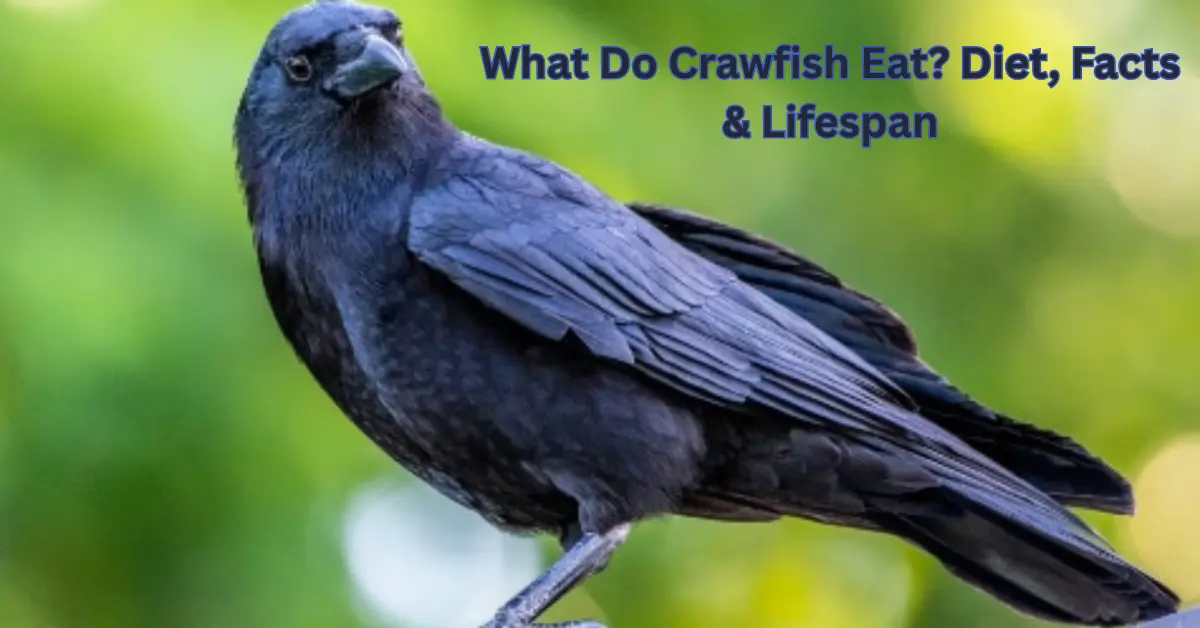
Crows are among the most intelligent and fascinating birds in the world. Their sleek black feathers, sharp eyes, and clever problem-solving skills have earned them a special place in human culture for centuries. But if you’ve ever watched several crows gather in a tree or fly together in formation, you may have wondered: What do you call a group of crows?
The answer is both poetic and a little eerie: a group of crows is called a murder.
Why Is a Group of Crows Called a Murder?
The term “murder of crows” originates from folklore and literature, dating back to the Late Middle Ages. Humans have long associated crows with death, battlefields, and the supernatural. Their black plumage, loud caws, and keen intelligence made them both feared and revered.
- In folklore, crows were sometimes said to hold courts to judge wrongdoers.
- Seeing crows near battlefields was considered an omen of death.
- Writers and poets embraced this dark symbolism, giving rise to the term murder as a collective noun.
Despite its ominous origins, “murder of crows” is more poetic than scientific. Ornithologists and bird-watchers often use simpler terms like flock or group, especially when observing or documenting birds.
Do People Actually Use “Murder of Crows”?
In everyday life, most people simply say “a group of crows” or “a flock of birds.”
However, the phrase murder of crows is popular in books, museums, bird-watching guides, and even pop culture.
Other less dramatic terms sometimes heard include:
- Mob of crows – Often used in casual conversation.
- Flock of crows – Scientific or neutral term.
So if you hear a noisy assembly of crows outside your window, you can impress friends by calling it a murder—just be aware that it’s more literary than formal.
The Fascinating Intelligence of Crows
Crows are highly intelligent birds, often compared to primates in terms of problem-solving and memory. Their intelligence adds context to their poetic names:
- Crows use tools to extract food, such as sticks or leaves.
- They can recognize human faces and remember threats for years.
- Crows communicate complex ideas using a combination of calls and gestures.
Their social structure and clever behavior make group observations even more captivating.
Other Collective Nouns for Birds and Animals
English has a rich tradition of unusual and colorful collective nouns for animals. These were often invented in hunting guides or aristocratic manuals centuries ago.
Here’s a helpful table with some of the most interesting examples:
| Animal | Collective Noun | Context / Description |
| Geese (on land) | Gaggle | Commonly seen on fields |
| Geese (in flight) | Skein | In motion, flying formation |
| Owls | Parliament | Evokes wisdom and deliberation |
| Ravens | Unkindness | Reflects folklore and superstition |
| Lemurs | Conspiracy | Rare but documented in literature |
| Vultures | Wake | Used when feeding on carrion |
| Herons | Siege | Poetic hunting term |
| Woodpeckers | Descent | A poetic collective |
| Crows | Murder | Dark, folklore-inspired term |
| Finches | Charm | Evokes beauty and harmony |
| Jays | Scold | Reflects their noisy behavior |
| Magpies | Mischief | Suggests playful or troublesome behavior |
| Finches (another) | Trembling | Rare, poetic description |
This table highlights the creativity and whimsy behind these collective nouns. While few of these terms are used daily, they remain a fascinating part of language and culture.
Origins of Collective Nouns
The tradition of assigning colorful names to groups of animals dates back to the Late Middle Ages, particularly in England.
- These terms were often used in hunting manuals to describe groups of game birds and animals.
- They also functioned as aristocratic wordplay, demonstrating the education and wit of the upper classes.
- Many of these collective nouns have survived into modern English, primarily in literature and trivia.
The “murder of crows” is part of this rich linguistic tradition, combining observation of animal behavior with folklore and poetic imagination.
Crows’ Behavior in Groups
Understanding why humans invented terms like murder also requires looking at crows’ social behavior:
- Crows are highly social, often gathering in large numbers for roosting or feeding.
- They engage in complex group interactions, including mobbing predators or cooperative hunting.
- Juvenile crows often form smaller groups called family units, which eventually merge into larger roosts.
A large murder of crows can be both intimidating and impressive, reflecting their intelligence and coordinated behavior.
Fun Facts About Crows
- Crows can mimic human speech, much like parrots.
- They hold grudges against humans or animals that threaten them.
- Crows celebrate the return of a mate or a food source with coordinated calls.
- They can recognize themselves in mirrors, a rare trait among animals.
- Crows use tools and problem-solving strategies to obtain hard-to-reach food.
These behaviors make crows among the most fascinating birds to observe, adding depth to the poetic term “murder.”
Modern Use of “Murder of Crows”
While ornithologists may prefer the neutral “flock,” the term “murder of crows” is widely used in:
- Literature and poetry – Evoking mystery or darkness.
- Museums and educational content – For engagement and memorability.
- Pop culture – Movies, games, and television often reference “a murder of crows.”
Using the term correctly can enhance storytelling, educational material, or even casual conversation.
Summary
A group of crows is called a murder, a poetic term rooted in folklore and history. Other terms include mob or simply flock.
Crows’ intelligence, social behavior, and striking appearance made them subjects of myths and legends, inspiring collective nouns that continue to capture the imagination today.
Whether you’re a bird-watcher, writer, or trivia enthusiast, knowing these terms adds charm and knowledge to your observations.
Next time you see several crows gathered together, you’ll know exactly what to call them—a murder of crows, steeped in centuries of language, lore, and wonder.
What is a swarm of crows called?
A swarm of crows is not the usual term.The proper collective noun is a murder of crows.
People sometimes use “flock” informally for large groups.
What is a flock of magpies called?
A group of magpies is called a mischief of magpies. This term reflects their playful and noisy behavior. “Flock” can also be used in casual conversation.
What is a group of 12 crows called?
Any number of crows together is called a murder of crows. The term applies whether there are a few or many crows. So 12 crows are still called a murder.
What is a group of five crows called?
A group of five crows is also called a murder of crows. The number does not change the collective noun.All crows in a gathering belong to a murder.