

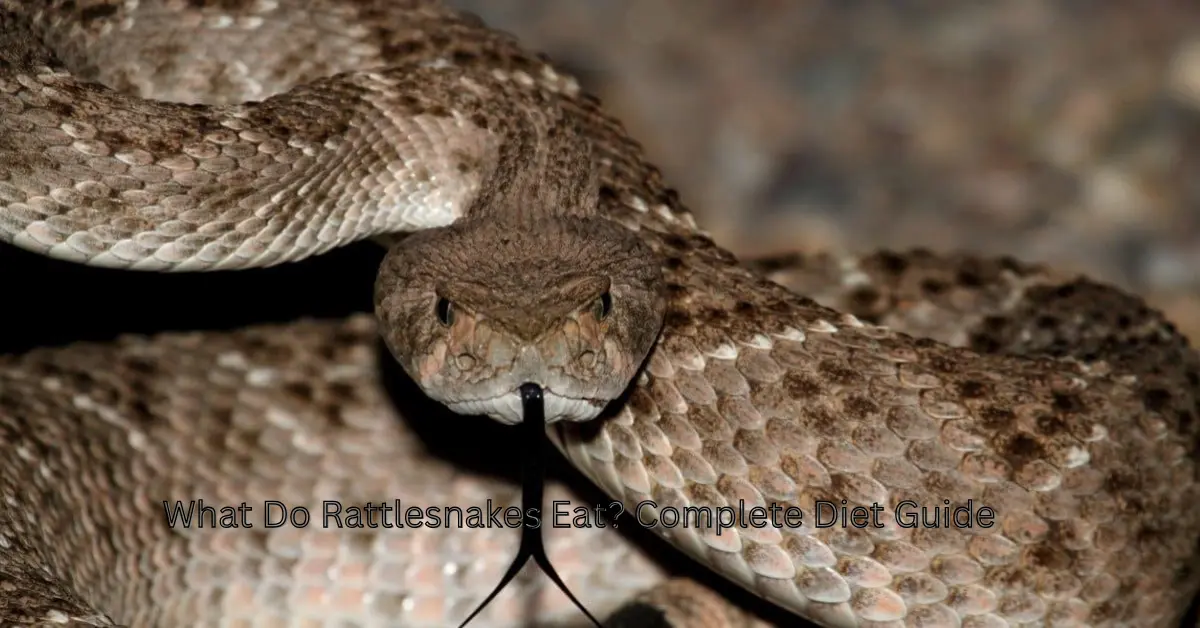
Rattlesnakes are some of the most iconic reptiles of North America, instantly recognizable by the rattle at the tip of their tails. This rattle acts as a warning system, deterring predators and signaling danger. Despite their fearsome reputation, rattlesnakes are fascinating creatures with a complex diet and hunting strategy that supports their survival in diverse habitats. In this blog, we’ll dive deep into what rattlesnakes eat, how they hunt, their diet at different life stages, and even their role in the ecosystem.
Rattlesnake Overview
Rattlesnakes belong to the viper family and are classified as pit vipers due to the heat-sensing pits located between their eyes and nostrils. There are over 30 species and 60–70 subspecies of rattlesnakes, found across deserts, forests, grasslands, and wetlands throughout the Americas. They are carnivorous predators, relying on their venom and ambush tactics to catch prey.
Adult rattlesnakes are typically 0.5 to 8 feet long, depending on the species. While their venomous bite is designed to immobilize prey quickly, it can also be dangerous to humans if bitten. Despite their intimidating appearance, rattlesnakes play a critical role in maintaining ecological balance by controlling rodent populations and serving as prey for larger predators.
What Rattlesnakes Eat
Rattlesnakes are opportunistic predators, which means they eat whatever prey is most available and easy to catch. Their diet can vary depending on species, size, habitat, and the season.
Adult Rattlesnake Diet Includes:
| Prey Type | Examples | Notes |
| Small Mammals | Mice, rats, voles, shrews, rabbits, squirrels | Most common prey; high in protein and fat |
| Birds | Sparrows, quail, eggs | Opportunistic; depends on availability |
| Reptiles & Amphibians | Lizards, frogs, toads, salamanders, snakes | Juveniles consume more small reptiles |
| Insects & Arthropods | Grasshoppers, beetles, centipedes, spiders | More common in small and young rattlesnakes |
The table above highlights the diversity in a rattlesnake’s diet. While adults primarily target small mammals, juvenile rattlesnakes rely more on insects and smaller prey due to their smaller size.
Baby and Juvenile Rattlesnake Diet
Rattlesnake mothers give birth to live young, unlike most snakes that lay eggs. Baby rattlesnakes are fully formed at birth and are independent within a week or two.
- Primary food sources for juveniles: small insects, tiny rodents, and small lizards.
- Even though they are small, baby rattlesnakes have venom potent enough to immobilize prey.
- Juveniles eat more frequently, roughly once a week, compared to adult rattlesnakes who may go 2–3 weeks without food.
How Rattlesnakes Hunt
Rattlesnakes are ambush predators, relying on stealth and patience rather than speed. Their hunting process is fascinating and highly specialized:
- Heat Sensing: Pit organs detect warm-blooded animals, even in complete darkness.
- Strike Mechanism: Rattlesnakes can strike up to two-thirds of their body length and inject venom through hollow fangs.
- Venom Action: The venom immobilizes and starts pre-digesting the prey.
- Tracking Prey: Snakes release the prey after a strike and follow the scent trail until it succumbs.
- Swallowing: Prey is swallowed whole, starting with the head, using muscular contractions to move it down the esophagus.
Adult rattlesnakes have slow metabolisms, which allows them to survive on infrequent meals. Juveniles, however, require more frequent feeding to support their growth.
Why Rattlesnakes Prefer Certain Prey
Rattlesnakes’ choice of prey depends on size, availability, and energy content:
- Small mammals provide high protein and fat, fueling their metabolism and energy needs.
- Birds and eggs are eaten when mammals are scarce, especially in urban or suburban areas.
- Reptiles and amphibians supplement the diet but are less energy-dense than mammals.
- Insects are primarily consumed by juveniles or smaller species.
This flexibility allows rattlesnakes to thrive in a variety of environments, from deserts to forests.
Rattlesnakes as Ecosystem Players
Despite being feared, rattlesnakes contribute positively to ecosystems:
- Control Rodents: They prevent overpopulation of mice and rats, protecting crops and reducing disease spread.
- Food Source: Birds, larger mammals, and even parasitic insects prey on rattlesnakes or their eggs.
- Nutrient Cycling: By consuming prey and eventually decomposing, rattlesnakes recycle nutrients back into the soil.
Thus, even though rattlesnakes are venomous, they serve a crucial ecological role.
Frequently Asked Questions
Do rattlesnakes bite humans?
Rattlesnakes bite humans only when provoked or threatened. They prefer to flee but will defend themselves if cornered. Prompt medical care is necessary if bitten due to venom toxicity.
Can rattlesnakes eat large prey?
Yes, adult rattlesnakes can consume prey up to half their body size. They use venom to immobilize larger prey before swallowing. Digestive enzymes break down bones and tissues efficiently.
How often do rattlesnakes eat?
Adult rattlesnakes eat every 2–3 weeks, depending on prey size. Juveniles eat more frequently, usually once per week. Slow digestion allows adults to survive long periods without food.
Are rattlesnakes dangerous to pets?
Yes, pets like dogs and cats can be at risk. Avoid areas known to have rattlesnakes and supervise pets outdoors. Seek veterinary care immediately if a pet is bitten.
Tips for Observing Rattlesnakes Safely
- Keep Distance: Rattlesnakes can strike up to two-thirds of their body length.
- Stay Alert: Watch for the rattling sound as a warning signal.
- Avoid Provoking: Never try to handle or corner a rattlesnake.
- Educate Children: Teach kids to respect snakes and avoid them in the wild.
Wrapping Up: Understanding Rattlesnake Diets
Rattlesnakes are fascinating predators with a varied diet that includes mammals, birds, reptiles, amphibians, and insects. They are ambush predators that rely on venom, heat-sensing pits, and patience to survive. While their venom and hunting abilities make them formidable, they play an essential role in controlling pest populations and supporting healthy ecosystems.
By understanding what rattlesnakes eat and how they hunt, humans can coexist safely while appreciating these remarkable reptiles. Whether observing them in the wild or learning about their life cycle, rattlesnakes provide a glimpse into the intricate balance of nature.
What do rattlesnakes eat in the desert?
Rattlesnakes in the desert eat small mammals like rodents and rabbits. They also hunt lizards, birds, and occasionally insects. They use their heat-sensing pits to locate prey in the hot desert.
What do rattlesnakes eat in the wild?
Rattlesnakes in the wild eat rodents, birds, amphibians, and reptiles. They strike their prey with venom and swallow it whole. Their diet depends on availability in forests, grasslands, and wetlands.
Where do rattlesnakes live?
Rattlesnakes live in deserts, forests, grasslands, and wetlands. They hide under rocks, logs, and burrows to stay safe. They prefer warm environments where prey is abundant.
What do rattlesnakes eat at night?
Rattlesnakes eat small mammals, frogs, and insects at night. They are nocturnal hunters that use heat-sensing pits to locate prey. Nighttime hunting helps them avoid predators and extreme heat.
What do rattlesnakes eat for kids?
Baby rattlesnakes eat small insects, tiny rodents, and small lizards. They use their venom to immobilize prey even at a young age. Juveniles eat more frequently than adults to grow quickly.
What do rattlesnakes eat and drink?
Rattlesnakes eat mammals, birds, reptiles, amphibians, and insects. They drink water from puddles, streams, or dew on plants. Water intake is less frequent since prey provides hydration.
Do rattlesnakes eat insects?
Yes, rattlesnakes eat insects, especially small species or juveniles. They target grasshoppers, beetles, spiders, and centipedes. Adults rely more on mammals, but insects supplement their diet.
How do rattlesnakes move?
Rattlesnakes move by slithering in an S-shaped pattern. They use their muscles to push against the ground for speed and control. They can move quickly to strike prey or escape threats.