

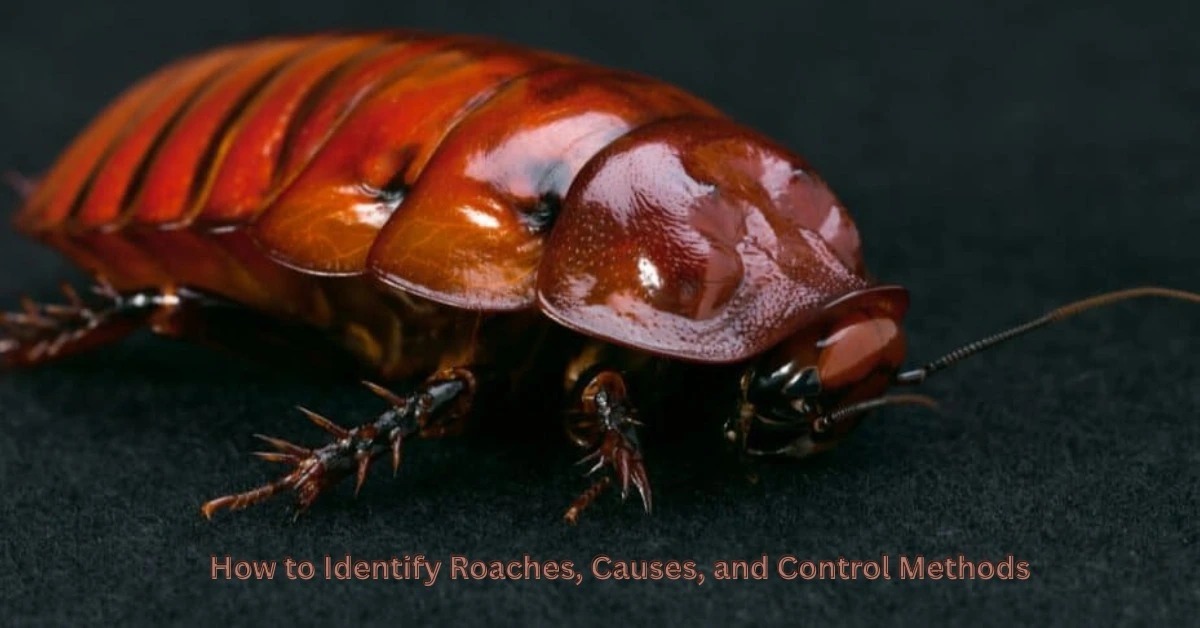
Cockroaches are among the most misunderstood — and most unwelcome — household pests in the world. They move quickly, hide efficiently, and survive in environments where many other insects cannot. But when it comes to identification, many people still ask: What do roaches actually look like?
With over 4,500 species worldwide, roaches vary in size, color, and shape. However, despite their diversity, they share several defining characteristics that make them easy to recognize once you know what to look for.
In this complete guide, you’ll learn:
- The general appearance of cockroaches
- How they look at each life stage
- Key features like wings, legs, and antennae
- Common species found in homes
- Bugs often mistaken for roaches
- Signs of a cockroach infestation
Let’s take a closer look.
What Do Roaches Look Like?
Most cockroaches have a flattened, oval-shaped body designed for squeezing into tight spaces. Their bodies are built for survival, speed, and concealment.
General Physical Features
Most adult roaches share these traits:
- Length: ½ inch to 2 inches (some species grow larger)
- Color: Brown, reddish-brown, tan, or black
- Body shape: Oval and flat
- Six spiny legs
- Long, thin antennae (often as long as their body)
- A hard outer shell (exoskeleton)
Their flattened body allows them to hide in cracks as thin as a coin. Their long antennae help them detect vibrations, food, and danger in dark environments.
Cockroach Life Cycle and Appearance Changes
Roaches undergo incomplete metamorphosis, meaning they hatch from eggs and gradually develop into adults without a pupal stage. Their appearance changes at each stage.
1. Egg Stage (Ootheca)
Cockroach eggs are enclosed inside a protective capsule called an ootheca.
The egg case:
- Looks like a small brown bean or grain of rice
- Measures about 5–10 mm long
- Can contain 10–50 eggs (depending on species)
- Is often hidden in cracks or carried by the female
Some species carry the egg case until hatching, while others deposit it in hidden areas.
Egg cases are one of the first visible signs of infestation.
2. Nymph Stage (Baby Roaches)
When roaches hatch, they are called nymphs.
Nymphs:
- Look like small adult roaches
- Are pale white or cream immediately after hatching
- Darken within hours
- Do not have wings
- Shed their skin multiple times (molting)
Because they are small and light-colored at first, people sometimes mistake them for albino roaches. However, true albino cockroaches do not exist.
Nymphs molt several times as they grow. Each molt makes them darker and more similar in appearance to adults.
3. Adult Stage
Adult cockroaches are fully developed and capable of reproduction.
Adults:
- Have fully hardened exoskeletons
- May have wings (depending on species)
- Are darker in color
- No longer molt
Most adults live several months, though some species can survive over a year.
Cockroach Body Structure Explained
Understanding their anatomy makes identification easier.
Head
A cockroach’s head is partially hidden under a shield-like structure called the pronotum.
Key features:
- Long antennae
- Compound eyes
- Chewing mouthparts
- Head angled downward
Their head placement makes it nearly invisible when viewed from above.
Thorax
The thorax connects the head and abdomen and supports:
- Six legs
- Wings (if present)
Their legs are covered with spines, helping them climb walls and move quickly.
Abdomen
The abdomen:
- Is segmented
- Contains digestive and reproductive organs
- Has small sensory appendages at the end
Some species have visible cerci (small tail-like structures).
Do All Roaches Have Wings?
Not all roaches can fly.
Some species:
- Have fully functional wings
- Glide short distances
- Have vestigial (non-functional) wings
- Lack wings entirely
In many species, males have larger wings than females.
Even flying species prefer running over flying.
Common Household Roach Species
Below is a comparison of common cockroach species found in homes.
| Species | Size | Color | Wings | Common Habitat |
| German Cockroach | ½–⅝ inch | Light brown with 2 dark stripes | Yes (rarely flies) | Kitchens, bathrooms |
| American Cockroach | 1½–2 inches | Reddish-brown | Yes (can glide) | Basements, sewers |
| Oriental Cockroach | 1–1¼ inches | Dark brown to black | Short or none | Damp areas |
| Brown-Banded Cockroach | ½ inch | Light brown with bands | Yes | Furniture, ceilings |
German cockroaches are the most common indoor species worldwide.
Bugs Commonly Mistaken for Roaches
Many insects resemble cockroaches. Proper identification is important before treatment.
1. Beetles
Beetles:
- Have hard wing covers
- Have shorter antennae
- Usually move slower
- Often have rounder bodies
Roaches have longer antennae and flatter bodies.
2. Water Bugs
Water bugs are often confused with American cockroaches.
True water bugs:
- Live in water
- Have shorter antennae
- Have strong front legs for catching prey
Cockroaches prefer dry indoor spaces (though some like damp areas).
3. Termites
Termites:
- Have straight antennae
- Have uniform body width
- Are pale in color
- Have equal-length wings (in swarmers)
Roaches:
- Have elbowed antennae
- Have segmented bodies
- Are darker
- Have unequal wings
Why Roaches Look the Way They Do
Cockroaches are ancient insects, existing for over 300 million years. Their body design has changed very little because it works exceptionally well for survival.
Their flat shape helps them hide.
Their hard shell protects them.
Their long antennae detect danger.
Their fast legs help them escape predators.
They are built for resilience.
Signs of a Cockroach Infestation
Seeing a single roach does not always mean infestation. However, multiple signs suggest a larger problem.
1. Droppings
- Small black specks (like pepper)
- Smear marks in heavy infestations
2. Egg Cases
- Brown capsules in hidden areas
3. Shed Skins
- Left behind after molting
4. Musty Odor
- Strong, oily smell in severe infestations
5. Live Sightings
- Especially during the daytime (indicates overcrowding)
If you see baby roaches, it usually means breeding is occurring nearby.
Where Roaches Hide
Roaches prefer:
- Under sinks
- Behind refrigerators
- Inside cabinets
- In wall cracks
- Near food sources
- In drains
They are nocturnal and prefer darkness.
Are Roaches Dangerous?
Cockroaches do not typically bite humans. However, they can:
- Contaminate food
- Trigger asthma
- Spread bacteria
- Worsen allergies
Their droppings and shed skins contain allergens.
How to Confirm Identification
To confirm a roach:
- Look for long antennae
- Check for flattened oval body
- Count six legs
- Look for quick, darting movement
- Inspect for egg cases
If unsure, glue traps can help capture specimens for identification.
Final Thoughts
So, what do roaches look like?
They are flat, oval insects with long antennae, six spiny legs, and hard outer shells. They begin life inside bean-shaped egg cases, hatch into pale nymphs, and gradually develop into dark, winged adults. While species vary in size and color, their general body structure remains consistent.
Understanding their appearance at every life stage helps with early identification and faster control. If you spot droppings, egg cases, or multiple roaches in your home, it may be time to take action.
The more you understand how roaches look and behave, the easier it becomes to recognize and eliminate them effectively.
How can you tell if it’s a roach?
You can identify a roach by its flat, oval body and long antennae. It has six spiny legs and moves very quickly when disturbed. Roaches usually hide in dark cracks and come out at night.
Should I worry if I see one cockroach?
You should worry because one roach often means more are hiding nearby. Roaches rarely travel alone, especially indoors. Seeing one during the day can signal an infestation.
How do you get rid of cockroaches?
You should remove food, water, and clutter from your home. Use baits, traps, or insecticides in hiding areas. Seal cracks and keep your kitchen clean to stop re-infestation.
What attracts cockroaches?
Cockroaches are attracted to food crumbs and open garbage. Moisture from leaks and standing water draws them in. Warm, dark hiding places make homes ideal for roaches.