

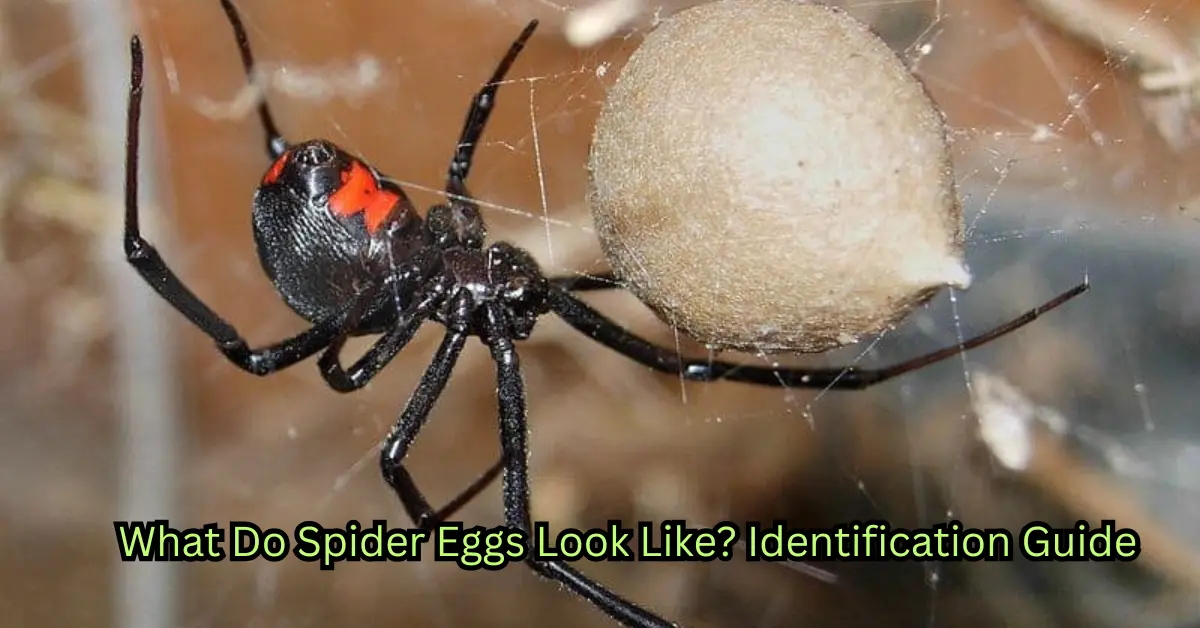
Finding a strange cotton-like ball in the corner of your ceiling or tucked inside a web can feel alarming. Many homeowners immediately wonder: Are these spider eggs? If they are, that could mean dozens—or even hundreds—of baby spiders preparing to hatch.
Understanding what spider eggs look like helps you respond calmly and correctly. Not every silky clump is dangerous, and not every spider species poses a threat. In this complete guide, you’ll learn how to identify spider egg sacs, where to find them, how to tell species apart, and the safest ways to remove them from your home.
What Do Spider Eggs Look Like?
Spiders do not lay loose eggs like insects such as ants or flies. Instead, female spiders wrap their eggs in silk to create a protective sac known as an egg sac.
Most spider egg sacs share these characteristics:
- Size: Usually small—rarely larger than a coin
- Shape: Round, oval, or slightly bumpy
- Color: White, cream, tan, brown, or pale yellow
- Texture: Soft, papery, or cotton-like
The silk casing protects the eggs from predators, moisture changes, and temperature fluctuations. Depending on the species, a sac may contain anywhere from 30 to over 300 eggs.
Some spiders attach the sac to a web. Others hide it in cracks or corners. Certain species even carry their egg sac with them.
Where Do Spiders Lay Their Eggs?
Location gives you strong clues about the type of spider involved. Here are common places to find egg sacs:
- High ceiling corners
- Basement beams
- Garage rafters
- Under outdoor furniture
- Garden shrubs
- Window frames
- Crawl spaces
- Underground burrows
Outdoor spiders often secure egg sacs near vegetation. Indoor spiders prefer undisturbed corners, storage boxes, or behind appliances.
If you find a sac near a messy, irregular web in a dark indoor corner, you may be dealing with a cobweb spider. If you find one suspended in a circular web outside, an orb-weaver may be responsible.
Common Spider Web Types and Egg Sac Placement
Web structure helps identify the spider species. Below is a helpful comparison table:
| Web Type | Appearance | Egg Sac Location | Typical Spider Behavior |
| Orb Web | Circular, wheel-shaped | Center or edge of web | Passive hunters waiting for flying insects |
| Tangle (Cobweb) | Messy, irregular | Hidden within web corner | Common indoors |
| Funnel Web | Funnel-shaped with tunnel | Inside burrow | Ground-dwelling ambush predators |
| Sheet Web | Flat, horizontal web | Suspended beneath web | Near ground vegetation |
| Mesh Web | Dense, layered silk | Center of mesh | Small spiders, often in groups |
| No Web Hunters | No structured web | Hidden in crevices | Actively hunt prey |
How Different Spider Egg Sacs Look by Type
Orb-Weaver Spider Egg Sacs
Orb-weavers create classic circular webs outdoors. Their egg sacs are typically round and white to yellowish. The female often places the sac near the center or attached to a support strand.
These spiders are usually harmless and beneficial because they control insect populations.
Cobweb (Tangle Web) Spider Egg Sacs
Cobweb spiders, including house spiders and black widows, build messy webs in corners.
Their egg sacs are often:
- Cream or light tan
- Rough or spiky in texture
- Attached near the web’s center
Black widow egg sacs may appear smoother and spherical. These should be handled carefully due to the spider’s venom.
Funnel-Web Spider Egg Sacs
Funnel-web spiders build burrows with silk-lined tunnels. Their egg sacs are:
- Larger and disc-shaped
- Often resemble a closed shell
- Hidden within the burrow
Some funnel-web species possess medically significant venom. Professional removal is recommended if suspected.
Wolf Spider Egg Sacs
Wolf spiders do not rely on webs to hunt. Instead, they actively chase prey.
Their egg sacs are:
- Round and gray or white
- Attached to the mother’s abdomen
- Carried until hatching
Once hatched, baby spiders climb onto the mother’s back. This can look alarming but is normal behavior.
Sheet Web Spider Egg Sacs
These spiders build flat webs near the ground. Their egg sacs often appear:
- Disc-shaped
- Suspended within the sheet web
- Light in color
These spiders are generally harmless and beneficial.
How Many Eggs Are Inside a Spider Egg Sac?
The number varies by species:
- Small house spiders: 30–100 eggs
- Orb-weavers: 100–300 eggs
- Wolf spiders: Up to 300 eggs
- Some species: Over 1,000 eggs
However, not all spiderlings survive. Predators, weather, and environmental conditions naturally reduce their numbers.
Are Spider Eggs Dangerous?
The eggs themselves are not harmful. They do not bite or sting.
The potential risk comes from the species of spider. If the mother is venomous, newly hatched spiderlings also carry venom, though they rarely pose serious danger to humans.
Common venomous spiders in North America include:
- Black widows
- Brown recluses
- Certain funnel-web species (in other regions)
If you suspect eggs from a medically significant species, contact a professional pest control service.
How to Tell If It’s Really a Spider Egg Sac
Many objects resemble spider eggs. You might mistake these for egg sacs:
- Cotton debris
- Dust clumps
- Mold growth
- Insect cocoons
- Seed pods
To confirm:
- Check for nearby webbing
- Observe silk texture
- Look for spider presence
- Avoid touching directly
If unsure, photograph it and consult a pest expert.
How to Safely Get Rid of Spider Egg Sacs
1. Vacuum Method
Use a vacuum hose attachment to remove the web, spider, and egg sac at once. Immediately seal and dispose of the vacuum bag outside.
For added safety, freeze the bag for 24–48 hours before disposal.
2. Chemical Sprays
Use oil-based spider insecticides labeled for egg control. Spray directly on the sac and surrounding web.
Always follow safety instructions carefully.
3. Bleach Solution
A diluted bleach spray can destroy egg sacs on non-porous surfaces. Avoid use on fabrics, wood, or plants.
4. Sticky Trap
Place glue traps near entry points and corners to monitor spider activity.
5. Professional Extermination
If you suspect venomous species or heavy infestation, hire licensed professionals. They can:
- Identify species
- Eliminate egg sacs
- Apply protective barriers
- Prevent recurrence
This option offers the highest safety and long-term protection.
How to Prevent Spider Eggs in Your Home
Prevention is always easier than removal. Take these steps:
- Seal cracks and gaps
- Install tight-fitting window screens
- Reduce clutter
- Keep outdoor lights away from doors
- Vacuum regularly
- Control other insects (spiders follow food sources)
Lower insect populations reduce spider activity.
What Happens When Spider Eggs Hatch?
After incubation (typically 2–3 weeks):
- Spiderlings emerge from the sac.
- Many disperse immediately.
- Some use “ballooning” behavior to travel via silk threads.
Ballooning allows spiders to spread quickly outdoors.
Indoors, spiderlings often disperse and die if they cannot find food.
When Should You Worry?
You should consider professional help if:
- You see multiple egg sacs
- You notice venomous spiders
- You experience bites
- Spider activity increases rapidly
- You feel uncomfortable handling removal
Peace of mind matters. When in doubt, seek expert help.
Final Thoughts
Spider egg sacs may look frightening, but they are usually harmless and manageable. Most spiders provide natural pest control and pose little risk to humans.
The key is proper identification. Once you know what spider eggs look like—small, silk-wrapped sacs in white, cream, or tan—you can confidently assess the situation.
If the spider species is harmless, simple removal and prevention methods usually solve the issue. If venomous spiders are involved, professional pest control ensures safety.
Understanding spider egg identification transforms fear into informed action—and that makes all the difference.
How to Identify Spider Eggs?
Spider eggs are usually inside a silk egg sac, not loose. Look for a small round or oval ball made of white, cream, or tan silk.
Check corners, ceilings, basements, garages, and behind furniture for cotton-like sacs attached to webs.
How Do You Get Rid of Spider Eggs?
Use a vacuum hose to remove the egg sac and web carefully, then dispose of the bag outside.
You can also spray a spider insecticide directly on the sac. If you suspect venomous spiders, call a pest control professional.
What Do Spider Eggs Look Like in a House?
In homes, spider eggs look like small cotton balls or silky lumps in dark corners.
They may appear white, pale yellow, or light brown and are often attached to messy webs.
Can You See Spider Eggs?
You usually cannot see individual spider eggs with the naked eye because they are tiny.
However, you can easily see the silk egg sac that holds dozens or hundreds of eggs inside.